Choosing a wilderness rescue helmet is about more than basic head protection. Search and rescue teams need secure fit, reliable impact performance, and compatibility with lights, comms, visors, and other mission gear.
Below, we focus on helmets that make sense for backcountry SAR use, with options for tactical response, climbing-based rescue, and all-day field wear.
Best 10 Wilderness Rescue Helmet Picks for 2026
SAR-Ready Bump Helmet

- Purpose-built for search and rescue
- Accessory-ready shroud and rails
- BOA and Fidlock fit adjustment
Best For: SAR teams needing a rugged, mount-ready bump helmet
Public Safety Water Rescue Helmet

- CE EN 1385 certified for rescue use
- ABS shell with EVA foam liner
- Vented design and secure DARC retention
Best For: Water rescue and paddling safety in public safety settings
NVG-Ready SAR Bump Helmet

- Integrated aluminum NVG shroud insert
- SAR-focused protection and rails
- CAM FIT and BOA retention systems
Best For: Search and rescue teams operating at night with accessory needs
Ultralight Climbing Rescue Helmet

- EN 12492:2012 certified protection
- Very light 330g construction
- 11 vents and headlamp clips
Best For: Climbing, caving, and rescue tasks where low weight matters
SAR-Ready Specialist
Team Wendy Search and Rescue Backcountry Bump Helmet
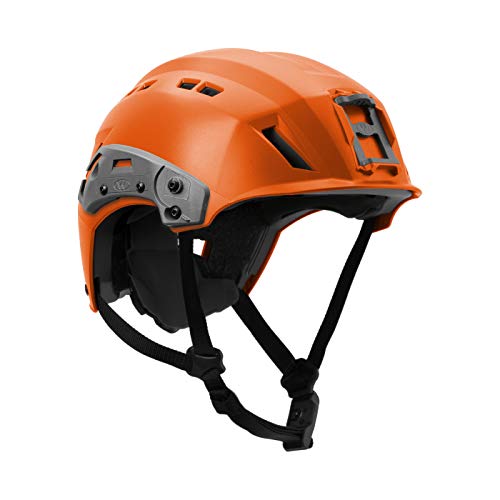
- Purpose-built for search and rescue missions
- Meets multiple impact and penetration standards
- Accessory shroud and rails support mission gear
Best For: Search-and-rescue teams and backcountry responders
Vented Climbing Utility
GUARDLEAD Safety Helmet with Visor

- ANSI Z89.1 and EN12492 certified for high-altitude use
- Lightweight ABS shell with vented comfort
- Includes removable anti-fog, anti-scratch visor
Best For: Climbers and rescue users wanting visor protection
Red SAR Platform
Team Wendy Search and Rescue Backcountry Bump Helmet

- Red SAR Backcountry model with high-visibility finish
- Certified for mountaineering, whitewater, and rescue impact needs
- Includes shroud, rails, and one-handed fit system
Best For: Rescue teams wanting a visible red SAR helmet
Lightweight Rescue Climbing Pick
OutdoorMaster ventilated in-mold helmet

- 290 g PC+EPS in-mold build
- EN 12492:2012 certified
- 4 integrated headlamp clips
Best For: Adults needing a light, ventilated helmet for climbing, caving, and rescue use
Visor Upgrade
Team Wendy SAR Helmet clear visor

- Locks in up and down positions
- Anti-scratch coating inside and out
- Clear visor for SAR protection
Best For: Search-and-rescue users needing a clear, lockable visor
Sleek Field Helmet
OutdoorMaster matte black rescue-ready climbing helmet

- Matte black PC+EPS in-mold build
- One-hand adjustable fit
- 290 g with 4 headlamp clips
Best For: Adults needing a light, adjustable helmet for climbing and rescue-oriented outdoor use
SAR-Ready Bump Helmet – Team Wendy Backcountry
If you want a wilderness rescue helmet built around search-and-rescue use, the Team Wendy Search and Rescue Backcountry is a strong fit. It combines blunt-impact protection, accessory mounting, and a secure one-handed fit system for backcountry missions where gear needs to stay stable and easy to manage.
Best For: SAR teams and rescue users who want a purpose-built bump helmet with integrated mounting options.
Pros:
- Meets BS EN 12492:2012, BS EN 1385:2012, ACH blunt impact, and BS EN 14052:2012 requirements.
- Glass-reinforced polycarbonate shroud supports lights, cameras, and other mission gear.
- Fidlock magnetic buckle and BOA Fit System make adjustment quick and precise.
- Includes Magpul MOE picatinny rails, mounting hardware, and vent covers.
Cons:
- One-size fit may not suit users outside the stated head range.
- Focused on impact protection rather than full climbing-helmet coverage.
Overall, this is a specialized rescue helmet for field users who need accessory readiness and a secure fit more than extra ventilation or all-purpose climbing features.
Public Safety Water Rescue Helmet – NRS Public Safety Tactyl
The NRS Public Safety Tactyl Helmet is a practical wilderness rescue helmet option for water-based operations. It is built for rescue and paddling safety with CE EN 1385 certification, a durable ABS shell, and a vented design that aims to keep wearers cooler during long shifts.
Best For: Water rescue teams and public safety users who need certified protection with strong ventilation.
Pros:
- CE EN 1385 certified for rescue and paddling safety.
- ABS shell and closed-cell EVA foam liner for impact resistance.
- DARC retention system provides a secure, adjustable fit.
- Vent layout and lightweight build help reduce heat and fatigue.
Cons:
- Designed around kayaking and water rescue rather than general mountain rescue.
- Size and color options appear limited in the supplied details.
For teams working around rivers, floods, or other wet environments, this helmet focuses on comfort, visibility, and reliable retention without adding unnecessary complexity.
NVG-Ready SAR Bump Helmet – Team Wendy Tactical SAR
For a wilderness rescue helmet that can also support night operations, the Team Wendy Search and Rescue Tactical Bump Helmet stands out. It keeps the SAR-focused protection and accessory mounting of the brand’s rescue line while adding an integrated machined aluminum NVG shroud insert for night-vision use.
Best For: SAR and tactical rescue teams that need night-vision compatibility plus accessory mounting.
Pros:
- Meets BS EN 12492:2012, BS EN 1385:2012, and ACH blunt impact protection standards.
- Integrated machined aluminum NVG shroud insert supports night operations.
- 4-point CAM FIT retention and BOA system offer stable, one-handed adjustment.
- Includes goggle posts, Magpul MOE picatinny rails, and vent covers.
Cons:
- NVG mount/interface required for night vision devices is not included.
- It is still a bump-style helmet, so it is not a full climbing helmet.
This is the most feature-rich choice in the lineup for rescue users who operate after dark and want a helmet that is ready for accessories straight out of the box.
Ultralight Climbing Rescue Helmet – NewDoar Half Dome
If your wilderness rescue helmet needs lean more toward climbing, caving, or technical movement, the NewDoar Half Dome Helmet is worth a look. It is EN 12492:2012 certified, very light at 330g, and built with a ventilated shell and headlamp-friendly details for active alpine-style use.
Best For: Climbing, caving, and rescue users who want an ultralight certified helmet with strong airflow.
Pros:
- EN 12492:2012 certified for climbing and technical rescue use.
- Ultralight 330g build with PC, ABS, and EPS construction.
- 11 ventilation ports help airflow during high-output activity.
- Headlamp clips and one-handed dial adjustment add practical convenience.
Cons:
- Designed more like a climbing helmet than a SAR-specific bump helmet.
- Single size range may not suit users outside 57-62 cm.
Compared with the purpose-built rescue models above, this option makes the most sense when ventilation, low weight, and climbing-style compatibility matter most.
SAR-Ready Specialist – Team Wendy Search and Rescue Backcountry Bump Helmet
If you’re comparing a wilderness rescue helmet for backcountry missions, this Team Wendy model stands out for its search-and-rescue focus and accessory-ready design. It combines multiple impact standards with a precise fit system, making it a practical choice for teams that need dependable protection and easy gear integration.
Best For: Search-and-rescue professionals and backcountry teams needing a purpose-built helmet with mission gear mounting.
Pros:
- Meets BS EN 12492:2012, BS EN 1385:2012, ACH blunt impact, and BS EN 14052:2012 requirements.
- Glass-reinforced polycarbonate shroud supports lights, cameras, and other accessories.
- Fidlock magnetic buckle and BOA Fit System enable secure, one-handed adjustment.
- Includes Magpul MOE picatinny rails, mounting hardware, and two vent covers.
Cons:
- At 1.6 pounds, it is not the lightest option in the category.
- Accessory-focused setup may be more helmet than some casual users need.
- One-size fit range may not suit every head shape equally well.
This is a strong fit if you want a wilderness rescue helmet built around SAR use rather than general recreation. The combination of certified protection, secure retention, and accessory mounts makes it especially useful when field versatility matters.
Vented Climbing Utility – GUARDLEAD Safety Helmet with Visor
For buyers who want a wilderness rescue helmet with built-in face protection, this GUARDLEAD option brings certified high-altitude coverage in a lightweight ABS shell. It is set up for climbing, caving, and search-and-rescue work, with ventilation, reflective detailing, and a visor included.
Best For: Users who want a certified rescue-style helmet with visor protection and a vented, lightweight build.
Pros:
- Meets ANSI Z89.1 and EN12492 standards and is OSHA-compliant.
- Lightweight ABS construction with a vented design for comfort.
- Includes a removable anti-fog, anti-scratch visor for eye protection.
- Four clips make it easier to secure a headlamp.
Cons:
- Less accessory-focused than more specialized SAR helmets.
- Visor adds complexity if you prefer a simpler shell-only setup.
- Fit range is broad, but one-size gear may still require careful adjustment.
This is a practical pick if your priority is a rescue-ready helmet with eye protection already built in. It makes sense for users who value visibility, ventilation, and straightforward utility over a more modular platform.
Red SAR Platform – Team Wendy Search and Rescue Backcountry Bump Helmet
If you need a wilderness rescue helmet with a more visible colorway, this red Team Wendy SAR Backcountry version offers the same purpose-built search-and-rescue platform. It pairs certified impact protection with a secure fit system and integrated mounting options for lights and other field equipment.
Best For: Teams and responders who want the SAR Backcountry design in a high-visibility red finish.
Pros:
- Meets BS EN 12492:2012, BS EN 1385:2012, ACH blunt impact, and BS EN 14052:2012 standards.
- Accessory-ready shroud is designed for lights, cameras, and mission gear.
- Fidlock magnetic buckle and BOA Fit System support quick, precise adjustment.
- Lightweight design is listed at 1.6 pounds.
Cons:
- One-size fit may not be ideal for every user.
- Some users may not need the full accessory ecosystem.
- Premium SAR-focused features may be more than basic recreational users require.
This is the right choice if you want the Team Wendy SAR layout but prefer the red model for visibility or team identification. The core appeal is the same: strong certification coverage, easy adjustment, and a platform built for rescue work.
Lightweight Rescue Climbing Pick – OutdoorMaster ventilated in-mold helmet
If you’re comparing a wilderness rescue helmet for climbing, caving, or search-and-rescue use, this OutdoorMaster model is built around light weight, ventilation, and basic overhead protection. Its PC+EPS in-mold construction, EN 12492:2012 certification, and integrated headlamp clips make it a practical fit for extended outdoor missions where comfort matters.
Best For: Adults who want a lightweight, ventilated helmet with headlamp compatibility for climbing, caving, and rescue-style outings.
Pros:
- PC+EPS in-mold design for lightweight durability and shock absorption
- EN certified to EN 12492:2012
- One-hand adjustable fit for head sizes 20.86-24 in
- 2 front and 2 rear clips for secure headlamp attachment
Cons:
- Sold as a climbing helmet rather than a dedicated rescue-specific system
- One-size fit may not suit every adult head shape
This is a straightforward option if your priority is a low-fatigue helmet with ventilation and lamp-clip convenience. The thickened top design and 290 g weight help it stay usable during longer sessions, while the rescue-friendly feature set stays focused on core functionality.
Visor Upgrade – Team Wendy SAR Helmet clear visor
For a wilderness rescue helmet setup that needs face coverage, this Team Wendy SAR Helmet Visor is a focused add-on rather than a full helmet. It is designed for search-and-rescue protection, and its anti-scratch coating plus lockable positions make it a practical choice when you want clearer forward protection in the field.
Best For: Search-and-rescue users who need a clear, lockable visor with scratch resistance.
Pros:
- Positively locks into up and down positions
- Anti-scratch coating inside and out
- Designed for SAR helmet protection
- Clear visor for unobstructed visibility
Cons:
- Visor only; does not include a helmet
- Recommended uses listed as snowboarding, so compatibility should be checked carefully
This visor makes sense if you already use a compatible SAR helmet and want a durable face shield with simple position control. It keeps the feature set narrow and useful, which is exactly what many rescue kits need.
Sleek Field Helmet – OutdoorMaster matte black rescue-ready climbing helmet
If you need a wilderness rescue helmet that stays light and comfortable during long use, this OutdoorMaster model offers the same PC+EPS in-mold protection profile in a matte black finish. It is EN certified, includes headlamp clips, and uses one-hand adjustment to help maintain a secure fit during climbing, hiking, caving, and search-and-rescue work.
Best For: Adults who want a lightweight, adjustable helmet for climbing and rescue-oriented outdoor use.
Pros:
- PC shell and EPS core in-mold construction for cushioning and durability
- EN 12492:2012 certification
- 290 g weight helps reduce fatigue over long wear
- 2 front and 2 rear clips support headlamp use
Cons:
- One-size range may not be ideal for every head shape
- Feature set is focused on climbing-style protection rather than advanced rescue hardware
Compared with heavier alternatives, this is a simple, wearable choice when comfort and ventilation matter more than extra bulk. The thicker top design and adjustable fit make it a solid candidate for practical outdoor response and rope-access tasks.
How We Picked These Wilderness Rescue Helmet Options
We prioritized helmets that balance protection, fit security, and field usefulness. That means looking at impact standards, ventilation, weight, adjustability, and accessory support. For a Wilderness Rescue Helmet, these details matter because teams often move fast, work in mixed terrain, and wear the helmet for long periods.
We also favored models that fit real rescue workflows: headlamp clips, visor compatibility, NVG-friendly setups, and designs that stay stable during climbing, technical rope work, or helicopter-adjacent operations.
Quick Comparison
If you want a mission-oriented helmet, the Team Wendy and NRS options are strong fits for SAR and public-safety use. If you need lighter, more affordable protection for climbing-based rescue or training, the EN 12492-certified and ventilated in-mold helmets are worth a close look. If a visor matters, check the dedicated visor accessory and helmets designed to pair with it.
Key Buying Factors for a Wilderness Rescue Helmet
Protection Standard
Look for the certification profile that matches your work. Backcountry and SAR helmets may emphasize blunt-impact protection, while climbing-oriented rescue helmets often carry EN 12492 or similar standards. The right choice depends on whether your environment is more rope-intensive, avalanche-adjacent, or public-safety focused.
Fit and Stability
A good fit system should lock the helmet down without pressure points. One-hand adjusters, precise fit dials, and stable chin straps are especially important when moving through brush, over rock, or under load.
Accessory Compatibility
Mission helmets often need mounts for headlamps, communications, visors, cameras, or NVG-related accessories. If your team uses a standardized setup, make sure the helmet supports it before buying.
Weight and Ventilation
For long assignments, lighter helmets reduce fatigue. Venting also improves comfort, but it should not compromise the protection profile your job requires.
Who Should Buy Which Wilderness Rescue Helmet?
Search and rescue teams: Choose a rugged, accessory-ready Wilderness Rescue Helmet with strong fit retention and broad mission compatibility.
Technical mountain rescue and climbing-based teams: Prioritize EN-certified or climbing-focused helmets with good ventilation and secure straps.
Public safety and multi-role responders: Look for models that support visors, mounts, and longer wear comfort across mixed conditions.
Budget-conscious buyers: A lightweight climbing-style helmet can be a practical option if it meets your training or low-risk rescue needs.
The best helmet is the one that matches your operational environment, required standards, and accessory loadout. When in doubt, choose the model that fits best, stays secure, and integrates cleanly with the gear you already use.