The best weightlifting belts can help experienced lifters brace more consistently during heavy squats, deadlifts, and other demanding movements. The right design should feel secure without restricting your setup or distracting you from technique.
We compared these 10 belts by construction, closure system, width, adjustability, comfort, and intended use so you can choose a dependable option for training, powerlifting, or general gym workouts.
Best 10 Weightlifting Belts Picks for 2026
Traditional Leather Support
Genuine Leather Weightlifting Belt

- Double-sided leather with reinforced stitching
- Suede lining adds cushioned comfort
- Measure true waist for the right fit
Best For: Daily gym training and leather-belt users
Competition-Ready Locking

- Self-locking full-metal buckle
- Flexible, breathable 4-inch nylon profile
- Competition-approved and easy to pack
Best For: Olympic lifting and functional fitness
Double-Prong Stability
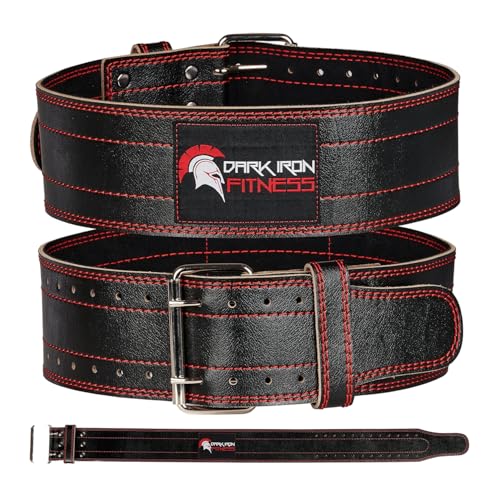
- Genuine leather with double-row stitching
- Secure double-prong metal buckle
- 12 holes for precise adjustment
Best For: Powerlifting and traditional leather-belt users
Best Leather Pick
Gymreapers Leather Weightlifting Belt

- Real leather with reinforced stitching
- 4-inch back and core support
- Lightweight buckle design with adjustable holes
Best For: Lifters seeking a durable, lightweight leather belt
Best Quick-Release Belt
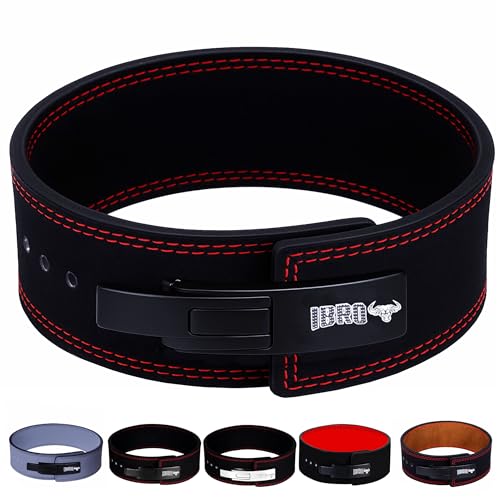
- Quick-release steel lever buckle
- 10mm leather core with double stitching
- Uniform 4-inch width for heavy lifts
Best For: Powerlifters wanting consistent lever-belt tightness
Best Padded Option
DMoose 6-Inch Neoprene Weightlifting Belt

- 6-inch back support for broad lumbar coverage
- Breathable foam core adds cushioning
- Adjustable hook-and-loop closure
Best For: Comfort-focused lifters wanting flexible padded support
Heavy-Lift Lever Pick

- 10mm leather with 4-inch back support
- Fast-release lever buckle
- Designed for squats, deadlifts, and powerlifting
Best For: Lifters wanting firm support and quick belt adjustments
Mobility-Focused Choice
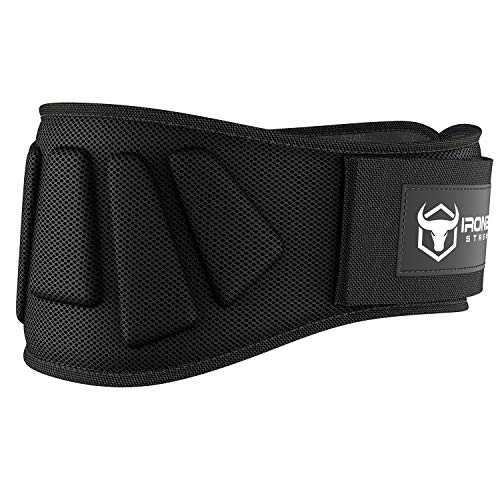
- Lightweight nylon, neoprene, and mesh construction
- Contoured profile supports movement
- Auto-lock buckle with Velcro adjustment
Best For: Cross-training and varied workouts requiring flexible support
Classic Adjustable Support

- 7mm cowhide leather construction
- Ten holes with twin-prong roller buckle
- Available with 4-inch or 6-inch back support
Best For: Lifters wanting durable leather and traditional adjustability
Traditional Leather Support – Genuine Leather Weightlifting Belt
This genuine leather option is a practical choice among weightlifting belts for lifters who want broad lower-back and abdominal support. Its suede lining, reinforced stitching, and adjustable buckle are suited to weightlifting, cross-training, and general gym sessions. Measure your true waist around the lower back and over the belly button rather than relying on your pant size.
Best For: Daily gym training and lifters who prefer a widened, leather belt with a padded suede interior.
Pros:
- Double-sided leather construction with reinforced top stitching.
- Suede lining adds padding and helps improve wearing comfort.
- Available across sizes from S through XXL, based on true waist measurements.
Cons:
- Leather and the widened design may feel less flexible than a nylon belt.
- Accurate sizing requires measuring the waist instead of using pant size.
This belt emphasizes durable leather construction and cushioned support. It is a solid fit for routine strength training, provided you take the sizing measurement carefully.
Competition-Ready Locking – Element 26 Self-Locking Belt
The Element 26 is a streamlined option among weightlifting belts, using a 4-inch nylon profile and a full-metal self-locking buckle. Its infinitely adjustable design helps you fine-tune pressure for squats, deadlifts, cleans, snatches, and jerks, while the quick-release roller supports fast removal between sets.
Best For: Lifters who want a breathable, adjustable belt for heavy training, functional fitness, or sanctioned Olympic lifting competitions.
Pros:
- Full-metal buckle automatically locks under load and releases quickly.
- Flexible nylon conforms to the core without a break-in period.
- Competition-approved 4-inch design folds easily into a gym bag.
- Hand-washable nylon does not retain sweat like some materials.
Cons:
- Nylon may not provide the rigid feel some lifters prefer from leather.
- The supplied listing identifies the product size as Medium, so sizing should be checked before ordering.
With its locking buckle, flexible construction, and competition-oriented profile, this belt is especially appealing for athletes moving between several Olympic and functional lifts.
Double-Prong Stability – Genuine Leather 4-Inch Belt
This 4-inch genuine leather belt is designed for lifters who want firm core and lower-back support from a traditional double-prong buckle. Double-row stitching, 12 adjustment holes, and sizes covering 22 to 49 inches make it a versatile choice among weightlifting belts for powerlifting, deadlifts, squats, CrossFit, and strength training.
Best For: Men and women seeking a durable leather belt with precise adjustment and a secure double-prong closure.
Pros:
- Genuine leather construction with reinforced double-row stitching.
- Double-prong buckle is designed to stay secure during heavy lifts.
- Twelve one-inch adjustment holes support a more precise fit.
- Suitable for powerlifting, bodybuilding, CrossFit, and manual-labor tasks.
Cons:
- The double-prong buckle may take longer to fasten and remove than a quick-release design.
- Leather requires wiping and occasional conditioning for maintenance.
This model balances a rigid support profile with a broad sizing range. It is a strong match for users who value traditional leather construction and a secure buckle over quick transitions.
Wide Padded Support – RitFit 6-Inch Weight Lifting Belt
The RitFit uses a 6-inch contoured profile to provide broad support across the back, abdominals, and core. Its reinforced tricot construction, padded design, hook-and-loop strap, and stainless steel buckle make it a convenient option among weightlifting belts for squats, deadlifts, lunges, and other strength exercises.
Best For: Lifters who prefer extra-wide padded lumbar coverage and quick adjustment during mixed strength workouts.
Pros:
- Extra-wide 6-inch contour offers extensive back and core coverage.
- Reinforced tricot is designed for comfort and durability.
- Hook-and-loop closure and stainless steel buckle allow quick adjustments.
- Available in multiple colors and sizes from S through XXL.
Cons:
- The 6-inch width may feel bulkier than a standard 4-inch belt.
- Hook-and-loop closures may appeal less to users who prefer a traditional prong buckle.
This is a comfort-focused, wide-support belt for training sessions that benefit from fast fit changes. Its padded construction and broad coverage make it particularly suitable for squats and deadlifts.
Best Leather Pick – Gymreapers Leather Weightlifting Belt
If you want a durable option among weightlifting belts, the Gymreapers Leather Weightlifting Belt combines real leather, reinforced stitching, and a traditional buckle closure. Its 4-inch width is designed to support the back and core during demanding lifts, while the lightweight construction is easier to store and carry.
Best For: Lifters who prefer a lightweight, form-fitting leather belt for squats, bodybuilding, and general strength training.
Pros:
- Real leather construction with reinforced stitching.
- 4-inch width provides back, spine, and core support.
- Multiple adjustment holes and a lightweight metal buckle allow a customizable fit.
- Lightweight design can be rolled for gym-bag storage.
Cons:
- The buckle closure requires manual adjustment between fit changes.
- Leather may feel firmer than a padded neoprene belt.
The Gymreapers belt is a sensible choice if durability and a classic leather feel matter more to you than quick-release convenience. Its relatively light design also makes it practical for lifters who do not want a bulky belt.
Best Quick-Release Belt – IBRO 10mm Leather Lever Belt
The IBRO Powerlifting Lever Belt is one of the more structured weightlifting belts in this roundup, using a 10mm leather core and a steel lever buckle. The lever is designed to deliver a consistent fit from set to set, making it convenient for squats, deadlifts, bench work, and heavier training.
Best For: Powerlifters and strength trainees who want a firm 10mm leather belt with quick-release adjustment.
Pros:
- Steel lever buckle opens quickly between sets.
- 10mm genuine leather core is built to hold its shape.
- Uniform 4-inch width supports the lower back and trunk.
- Available in multiple thicknesses and sizes for different training preferences.
Cons:
- Arrives unassembled and requires a Phillips screwdriver for setup.
- Its firm construction may be less flexible for beginners or Olympic lifting.
- Lever screws should be checked before each session.
Choose the IBRO if repeatable tightness and a rigid feel are priorities. The 10mm version is positioned as an all-around thickness, while the available 8mm and 13mm options give shoppers more flexibility.
Best Padded Option – DMoose 6-Inch Neoprene Weightlifting Belt
For shoppers who prefer cushioning and adjustability, the DMoose Fitness Weight Lifting Belt uses a neoprene-and-nylon design with a 6-inch back support panel. Its hook-and-loop closure and breathable foam core make it a practical option for workouts that include squats, deadlifts, and cross-training.
Best For: Lifters who want a flexible, padded belt with broad lumbar coverage and easy hook-and-loop adjustment.
Pros:
- 6-inch back-support panel offers broad lumbar coverage.
- Neoprene and nylon construction balances flexibility with durability.
- Breathable 0.375-inch foam core adds cushioning.
- Hook-and-loop closure allows quick fit adjustments.
Cons:
- Hook-and-loop closure may provide a different feel from a rigid leather lever belt.
- The wider 6-inch back section may feel less minimal during some movements.
- Neoprene is less rigid than the leather belts in this roundup.
The DMoose is a strong fit for comfort-focused training and users who value easy adjustability. Its wider, padded back section favors cushioning and coverage rather than the stiff, competition-style feel of a thick leather belt.
Heavy-Lift Lever Pick – 10mm Leather Lever Belt
For lifters comparing weightlifting belts for heavy squats, deadlifts, and powerlifting work, this POZTEV model emphasizes rigid support and fast adjustments. Its thick leather construction, lever buckle, and 4-inch back support are aimed at users who want a secure, personalized fit without repeated prong adjustments.
Best For: Heavy powerlifting and compound lifts where firm core and lumbar support matter.
Pros:
- 10mm leather construction with a 4-inch vertical back-support area.
- Lever mechanism allows quick tightening and release.
- Pre-broken leather is designed for comfort and durability.
- Includes stated one-year free replacement warranty and customer support.
Cons:
- The lever design may be less convenient for frequent fit changes between users.
- The listed Medium option covers a narrower 32–38-inch range, so careful measuring is important.
This is a strong choice if you prioritize a substantial leather belt and fast lever operation over a lightweight, highly flexible design. Confirm the sizing before ordering, particularly if your waist is near the range limits.
Mobility-Focused Choice – 6-Inch Auto-Lock Nylon Belt
If you want weightlifting belts that balance back support with movement, this nylon and neoprene design is built for lifting, fitness, cross-training, and powerlifting. Its contoured shape, breathable materials, and auto-lock roller buckle provide a practical alternative to heavier leather belts.
Best For: Lifters who want lightweight, breathable support for varied workouts and cross-training.
Pros:
- Reinforced 6-inch back area with a 4-inch Velcro strap for a secure fit.
- Contoured design narrows at the sides to preserve mobility.
- Neoprene and mesh construction is described as comfortable, breathable, and ultra-light.
- Auto-lock roller buckle works like a ratchet-style fastener.
Cons:
- It does not offer the thick leather construction of a traditional powerlifting belt.
- Accurate measuring is essential; the listing advises using true waist size rather than pants size.
This belt suits users who value comfort and freedom of movement across multiple exercises. Its fabric-based construction and adjustable hook-and-loop closure make it especially practical for general gym training and changing workout demands.
Classic Adjustable Support – RDX Cowhide Leather Belt
Among weightlifting belts, this RDX model takes a traditional approach with 7mm cowhide leather, a dual-pronged roller buckle, and multiple adjustment holes. It is available in 4-inch and 6-inch back-support variations, making it a versatile option for squats, deadlifts, Olympic lifting, bodybuilding, and cross-training.
Best For: Lifters seeking durable leather support with fine-grained, traditional buckle adjustment.
Pros:
- Genuine 7mm cowhide leather is designed for durability and pressure management.
- Ten precision-drilled holes provide flexible adjustment.
- Industrial-grade steel roller buckle uses twin prongs to help resist slipping.
- Suede inner lining and a leather buckle flap are intended to improve comfort.
Cons:
- The dual-prong buckle takes longer to adjust than a lever-style closure.
- Users must measure around the lower back and across the belly button rather than relying on pants size.
- The listed example is the 4-inch version, while the 6-inch option may feel more restrictive for some movements.
This is a well-rounded choice for lifters who prefer leather durability and conventional hole-based adjustability. Pay close attention to the sizing instructions and select the appropriate back width for your training style and comfort preferences.
How We Picked the Best Weightlifting Belts
We focused on the features that matter most under load: belt material, structural support, closure reliability, sizing range, and ease of adjustment. The selection includes leather and synthetic options, lever and auto-lock closures, traditional prong designs, and different widths for varied lifting preferences.
We also considered whether each belt is better suited to powerlifting, general strength training, bodybuilding, or occasional gym use. A belt cannot replace proper bracing or sound technique, so comfort and a secure fit were weighted alongside maximum stiffness.
Quick Comparison
| Best for | Look for | Typical advantage |
|---|---|---|
| Heavy powerlifting | 10mm leather and lever closure | Rigid, repeatable support |
| General strength training | Adjustable 4- or 6-inch belt | Versatility across exercises |
| Fast adjustments | Auto-lock or lever mechanism | Quick, secure tightening |
| Budget-conscious buyers | Reinforced synthetic or basic leather | Useful support at a lower cost |
| Comfort-focused lifting | Padded or tapered construction | Less pressure during longer sessions |
Key Buying Factors for Weightlifting Belts
Width and Shape
A 4-inch belt is a common all-purpose choice and may allow more freedom when setting up for deadlifts. Six-inch belts provide more surface area and lumbar coverage, but can feel restrictive for shorter lifters or certain movements. Consider your torso length and preferred exercises rather than choosing the widest option automatically.
Material and Stiffness
Leather generally offers strong durability and a firm feel, while synthetic materials can be lighter, more flexible, and easier to break in. Thicker belts are typically better for maximum-strength attempts, whereas a moderately structured belt may be more comfortable for varied workouts.
Closure and Fit
Lever belts provide consistent tension but require initial sizing and occasional hardware adjustment. Prong buckles offer flexible sizing, while auto-lock systems are quick to use. Measure your waist where the belt will sit and follow the manufacturer’s sizing chart; do not rely only on your pants size.
Training Purpose
Choose a belt that supports your actual routine. A highly rigid powerlifting belt may be unnecessary for lighter bodybuilding work, while a soft, flexible model may not provide the stability you want for near-maximal squats or deadlifts.
Who Should Buy Which Weightlifting Belts?
- Powerlifters: Choose a thick leather lever belt if you value maximum rigidity and repeatable positioning.
- General gym lifters: A 4- or 6-inch adjustable belt offers a practical balance of support and versatility.
- New belt users: Start with a comfortable, easy-to-adjust model and learn to brace properly before moving to a very rigid design.
- Frequent travelers: Consider a lighter synthetic or auto-lock belt that is simpler to pack and adjust.
- Shorter lifters or deadlift specialists: A narrower or tapered design may reduce hip and rib interference.
Whichever model you choose, the belt should sit securely, allow full breathing and bracing, and remain comfortable throughout your working sets. Stop using it if it causes sharp pain, numbness, or limits your movement.