The right belt can add support and confidence to heavy squats, deadlifts, presses, and accessory work without complicating your home-gym setup. The best choice depends on your lifting style, preferred fit, and how much adjustability you need.
We’ve compared 10 weightlifting belts for home gyms, from durable leather powerlifting models to quick-lock designs and specialized belts for dips and hip thrusts.
Best 10 Weightlifting Belts for Home Gyms Picks for 2026
Leather Power Support
Genuine Leather Weightlifting Belt
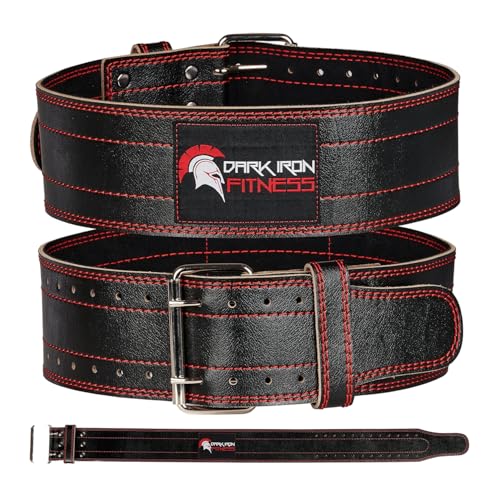
- Genuine leather with reinforced double-row stitching
- Double-prong buckle and 12 adjustment holes
- 4-inch profile for heavy strength training
Best For: Traditional powerlifting and heavy home-gym sessions
Competition-Ready Nylon

- Full-metal buckle locks under load
- Infinitely adjustable nylon construction
- Folds easily and is easy to wash
Best For: Olympic lifting and quick transitions between sets
Lightweight Leather Comfort
Gymreapers Leather Weightlifting Belt

- Reinforced real leather construction
- 4-inch support with a lightweight feel
- Rolls up for convenient storage
Best For: Comfort-focused bodybuilding and strength training
Heavy-Duty Dip Training

- Supports up to 550 pounds
- Includes 37-inch, 5mm chain
- Fits 22–46.3-inch waists
Best For: Weighted dips, pull-ups, and CrossFit
Classic Lumbar Support

- Leather with soft suede lining
- Padded lower-back support
- Double-prong roller buckle
Best For: Squats, deadlifts, and powerlifting
Home Glute Training

- Supports up to 400 pounds
- Works with plates, dumbbells, and kettlebells
- Padded, non-slip wrap design
Best For: Hip thrusts and lower-body home workouts
Quick-Lock Pick

- Fast-release buckle for efficient transitions
- Lightweight nylon with reinforced stitching
- Uniform-width support for varied training
Best For: Cross-training and home lifters who want quick adjustments
Leather Support Pick
RDX Cowhide Leather Lifting Belt

- 7 mm genuine cowhide leather construction
- Choose 4-inch or 6-inch padded back support
- Ten holes with a twin-prong roller buckle
Best For: Heavy squats, deadlifts, and structured strength training
Wide-Back Comfort Pick

- Six-inch back support for heavy lifts
- Cushioned, breathable foam core
- Easy hook-and-loop adjustment
Best For: Home lifters seeking broad, comfortable lumbar coverage
Leather Power Support – Genuine Leather Weightlifting Belt
For home gyms focused on heavy squats, deadlifts, and strength work, this genuine leather belt offers a rigid 4-inch profile and reinforced construction. Its double-prong buckle and 12 adjustment holes help create a secure, customizable fit, provided you measure your natural waist carefully.
Best For: Lifters who prefer traditional leather support for powerlifting, bodybuilding, and heavy home-gym training.
Pros:
- Genuine leather with reinforced double-row stitching
- Double-prong buckle provides secure closure during heavy lifts
- 12 one-inch adjustment holes support precise sizing
- Suitable for men and women with waist options from 22 to 49 inches
Cons:
- Leather requires wiping and occasional conditioning
- Its rigid 4-inch design may feel less flexible than nylon belts
This is a durable, traditional choice among weightlifting belts for home gyms, especially for users who value firm lumbar and core support. Confirm the waist measurement at the belly button before ordering.
Competition-Ready Nylon – Element 26 Self-Locking Belt
This nylon belt is designed for home-gym lifters who want quick, repeatable adjustments between sets. Its full-metal self-locking buckle engages under load, while the infinitely adjustable design helps you control pressure across your midsection for squats, deadlifts, cleans, and other lifts.
Best For: Olympic lifters, functional fitness athletes, and home-gym users who prioritize fast adjustments and a competition-oriented design.
Pros:
- Self-locking metal buckle with quick-release roller
- Infinitely adjustable for customized pressure
- Breathable nylon can be hand-washed and air-dried
- Folds easily for storage in a gym bag
Cons:
- Hook-and-loop closure may appeal less to traditional leather-belt users
- The supplied medium sizing information lists an 89-centimeter waist, so sizing should be checked carefully
Among weightlifting belts for home gyms, this model stands out for convenience and adjustability. The straight 4-inch profile is built to provide consistent support without a break-in period.
Lightweight Leather Comfort – Gymreapers Leather Weightlifting Belt
Home-gym lifters seeking leather support without excessive bulk may prefer this 4-inch Gymreapers belt. It combines reinforced real leather with a lightweight metal buckle and multiple adjustment holes, while its rollable design makes storage simple after training.
Best For: Bodybuilders and strength trainees who want a lightweight, form-fitting leather belt for squats and general lifting.
Pros:
- Made from reinforced real leather and stitching
- 4-inch width supports the back, spine, and core
- Lightweight design weighs about 1.2 to 1.5 pounds
- Rolls up for compact gym-bag storage
Cons:
- Leather may require more care than washable nylon
- Available sizing should be compared with your measured waist before purchase
This is a practical middle ground among weightlifting belts for home gyms: more structured than a soft training belt, but designed to feel relatively light and unobtrusive. Its buckle and adjustment holes help fine-tune the fit for regular sessions.
Extra-Wide Lumbar Support – RitFit 6-Inch Weight Lifting Belt
For home gyms where broad lumbar coverage is a priority, the RitFit uses a 6-inch contoured profile to support the back, abs, and core during squats, deadlifts, lunges, and thrusters. Its hook-and-loop strap and stainless steel buckle make adjustment quick during changing workouts.
Best For: Lifters who want extra-wide, padded lumbar coverage and quick adjustment for varied strength exercises.
Pros:
- Extra-wide 6-inch contoured design provides broad support
- Reinforced tricot construction is designed for durability
- Hook-and-loop strap and stainless steel buckle adjust quickly
- Available in multiple sizes and colors
Cons:
- Six-inch width may feel bulkier than a standard 4-inch belt
- Hook-and-loop closure may be less appealing to lifters who prefer prong buckles
- Users should consult the sizing guide for the correct waist range
This belt is a strong option among weightlifting belts for home gyms when maximum coverage and easy adjustment matter more than a compact profile. The medium size supplied is listed for a 30- to 36-inch waist.
Heavy-Duty Dip Training – 550-Lb Dip Belt
For home gyms focused on weighted dips and pull-ups, this dip belt adds a 37-inch, 5mm iron chain and supports up to 550 pounds. Its nylon construction and broad exercise compatibility make it a practical choice for bodyweight strength training.
Best For: Weighted dips, pull-ups, CrossFit, and other chain-loaded exercises.
Pros:
- 550-pound stated weight capacity.
- 37-inch chain with two locking carabiners; total length can reach 42 inches.
- Double stitching and military-grade nylon construction.
- Fits stated waist sizes from 22 to 46.3 inches.
Cons:
- Designed primarily as a dip-style belt rather than a traditional lumbar-support belt.
- Its chain-and-carabiner setup may be more specialized than a standard buckle.
This is a strong match for home lifters who want to progress weighted dips or pull-ups and need a high-capacity attachment system. Choose a traditional lifting belt instead if lower-back support is your main priority.
Classic Lumbar Support – Leather Weight Lifting Belt
Weight Lifting Belt Back Lumbar Support Strength Training Fitness Workout Home Gym (L, Black)
Check Price On AmazonFor home gyms centered on squats, deadlifts, and powerlifting, this leather weightlifting belt provides padded lower-back support and a secure double-prong buckle. Its suede lining and reinforced stitching suit straightforward strength-training setups.
Best For: Squats, deadlifts, powerlifts, and lifters seeking traditional lumbar support.
Pros:
- Leather construction with a soft suede lining.
- Padded design intended to support the lower back.
- Double-prong seamless roller buckle and double-loop tab security.
- Heavy-duty double stitching for reinforcement.
Cons:
- The supplied details list size L and a 37.5-inch waist size, so fit options should be checked carefully.
- A traditional buckle design may take longer to adjust than a loop closure.
This belt is the most conventional choice in the group for barbell-focused home training. Verify the sizing before purchase, especially if your waist differs substantially from the listed 37.5-inch measurement.
Home Glute Training – Adjustable Hip Thrust Belt
For home gyms built around hip thrusts and glute work, this adjustable Cordura belt supports up to 400 pounds and is designed to work with dumbbells, kettlebells, and weight plates. Plush padding and a loop-style wrap aim to make setup comfortable and simple.
Best For: Hip thrusts, glute workouts, squats, lunges, and home-based lower-body training.
Pros:
- Handles weights up to 400 pounds according to the supplied details.
- Works with dumbbells, kettlebells, and plates.
- Plush padding and a non-slip fit for added comfort and stability.
- Dip-belt-style setup is designed to be ready in under 20 seconds.
Cons:
- Its specialized hip-thrust design is less suited to traditional lumbar-support needs.
- The listed size is US 38 inches, so fit should be confirmed before ordering.
This is a practical option for turning a small home-gym setup into a dedicated hip-thrust station. It offers versatility for lower-body exercises, but lifters wanting support for heavy barbell squats or deadlifts may prefer a conventional leather belt.
Quick-Lock Pick – Gymreapers Quick Locking Belt
For home gym users who want to move efficiently between lifts, the Gymreapers Quick Locking Belt offers a lightweight nylon design and a fast-adjusting buckle. Its consistent width is intended to support bracing during strength work, while sizing should be based on your measurement around the navel—not your usual waist or pant size.
Best For: Cross-training and home lifters who prioritize quick adjustments and a lightweight belt.
Pros:
- Quick-locking buckle makes tightening and releasing the belt convenient between exercises.
- Uniform-width design supports core stability and intra-abdominal pressure.
- High-grade nylon, reinforced stitching, and a heavy-duty buckle are built for repeated training.
- Competition tested for Olympic lifting, bodybuilding, powerlifting, and cross-training.
Cons:
- Nylon construction may provide a less rigid feel than a thick leather belt.
- Accurate sizing requires measuring around the navel rather than relying on waist size.
This is a practical choice among weightlifting belts for home gyms when fast transitions and a lighter profile matter most. Choose carefully from the sizing chart and measure at the navel for the intended fit.
Leather Support Pick – RDX Cowhide Leather Lifting Belt
The RDX Cowhide Leather Belt is aimed at home gym lifters who want a substantial belt for squats, deadlifts, and other demanding strength sessions. Its 7 mm leather construction, padded back options, and twin-prong roller buckle provide a traditional, adjustable setup; measure around the lower back and across the belly button to select the correct size.
Best For: Heavy strength training where leather construction and adjustable lumbar coverage are priorities.
Pros:
- Genuine cowhide leather provides a durable 7 mm construction.
- Available with 4-inch or 6-inch padded back support.
- Ten adjustment holes and a dual-pronged steel roller buckle allow a more precise fit.
- Suede interior and a leather buckle flap are designed to improve comfort during use.
Cons:
- Leather construction may feel bulkier and less flexible than a nylon or neoprene belt.
- Sizing is less convenient if you do not measure according to the supplied instructions.
Among weightlifting belts for home gyms, this RDX model stands out for its leather build and broad support options. It is worth considering if you prefer a more structured belt and do most of your training around heavy compound lifts.
Wide-Back Comfort Pick – DMoose 6-Inch Adjustable Belt
The DMoose 6-Inch Adjustable Belt combines neoprene and nylon with a wide back panel for home gym sessions that include squats, deadlifts, and cross-training. A hook-and-loop closure, contoured shape, and breathable foam core are designed to provide a snug, cushioned fit while the locking mechanism keeps the belt secured during workouts.
Best For: Lifters who want wide lumbar coverage, cushioning, and easy hook-and-loop adjustment.
Pros:
- Six-inch back support is designed for stability during heavy lifts.
- Neoprene and nylon construction balances flexibility with durability.
- Hook-and-loop closure allows straightforward fit adjustments.
- Breathable 0.375-inch foam core and contoured design add cushioning and lumbar support.
Cons:
- The 6-inch back panel may feel larger than a narrower lifting belt.
- Hook-and-loop closure may appeal less to lifters who prefer a traditional prong buckle.
This DMoose model is a comfortable, wide-support option among weightlifting belts for home gyms. Its adjustable closure and padded construction make it especially suitable for users who value convenience during repeated training sets.
How We Picked the Best Weightlifting Belts for Home Gyms
We focused on practical differences that matter in a home gym: construction, belt width, closure type, adjustability, comfort, and intended use. The selection includes traditional leather belts for heavy squats and deadlifts, flexible or quick-lock models for varied workouts, and specialized options for weighted dips or hip thrusts.
We also considered whether each design is easy to put on and remove between sets, whether its sizing system can accommodate changes in clothing or body position, and how well it suits beginners versus experienced lifters. Product specifications and stated uses informed the comparison; proper bracing and fit remain essential regardless of the belt.
Quick Comparison
| Best For | Recommended Style | Why It Stands Out |
|---|---|---|
| Heavy squats and deadlifts | Leather powerlifting belt | Rigid support and long-term durability |
| Fast adjustments | Self-locking or quick-lock belt | Convenient between sets and exercises |
| General strength training | Adjustable leather or padded belt | Balanced support and versatility |
| Weighted dips | Dip belt with chain | Designed to suspend plates securely |
| Hip thrusts and glute work | Hip thrust belt | Better load placement and comfort |
Key Buying Factors for Weightlifting Belts for Home Gyms
Material and Stiffness
Leather generally offers the firmest, most supportive feel and can be a strong choice for progressive powerlifting. Neoprene and padded belts are often more comfortable and flexible for general fitness, bodybuilding, and mixed routines.
Width and Profile
A 4-inch belt is a common all-purpose choice for squats and deadlifts. Wider 6-inch designs can provide more back coverage, but they may feel restrictive for shorter lifters or exercises involving significant hip movement. A contoured or padded profile may improve comfort.
Closure and Adjustability
Double-prong buckles offer a traditional secure fit, while lever-style and self-locking systems can be faster to use. Look for enough adjustment holes or a broad hook-and-loop range to keep the belt snug as your clothing and training position change.
Fit and Intended Exercise
The belt should sit securely around your torso without digging into your ribs or hips. A squat and deadlift belt is not automatically suitable for dips or hip thrusts, so choose a specialized design when the load is suspended or positioned around the hips.
Who Should Buy Which Weightlifting Belts for Home Gyms?
Beginners: Choose an adjustable padded, neoprene, or straightforward leather belt that is easy to size and comfortable during short training sessions.
Powerlifters and heavy lifters: A rigid leather belt with a secure double-prong or lever-style closure is usually the better fit for consistent squats and deadlifts.
Mixed-program and home-gym users: A self-locking or quick-lock belt offers convenient transitions between strength exercises and accessory work.
Weighted-dip enthusiasts: Use a dedicated dip belt with a durable chain rather than a standard lumbar belt.
Glute-focused trainees: A hip thrust belt can distribute resistance more comfortably than a conventional lifting belt. Whichever model you choose, begin with manageable loads, brace correctly, and treat the belt as a support tool—not a substitute for sound technique.