Finding the right portable inverter generator for camping can make the difference between a relaxing weekend and a frustrating power shortage. The best options balance quiet operation, easy transport, and enough output for lights, chargers, coolers, and small appliances.
Below, we’ve rounded up 10 strong picks for different camping styles, from ultra-light battery stations to gas-powered generators with more runtime and higher wattage.
Best 10 Portable Inverter Generator for Camping Picks for 2026
Ultra-Quiet Gas Pick
Oxseryn 2800W Portable Inverter

- 2800 peak watts, 2000 running watts
- Under 58 dBA from 23 feet
- 40 lbs with 9-hour runtime at 25% load
Best For: Campers wanting a quiet, lightweight gas inverter for essential devices
Fast-Charge Power Station

- 1,500W output with 1,070Wh capacity
- Charges to 100% in about one hour
- 23.8 lbs with LiFePO4 battery
Best For: Campers who want quiet, fast-charging battery power
High-Output Camping Option

- 3600 peak watts, 3200 rated watts
- Up to 8 hours runtime at 25% load
- 59 dBA with 30A and USB outlets
Best For: Campers needing more output for bigger appliances or RV use
Ultra-Light Battery Pick

- Only 7.5 lbs with integrated handle
- 292Wh capacity and 300W rated output
- LiFePO4 battery with solar charging support
Best For: Solo campers and hikers needing lightweight backup power
Ultra-Light Quiet Pick
AIVOLT 1600W Super Quiet Inverter Generator
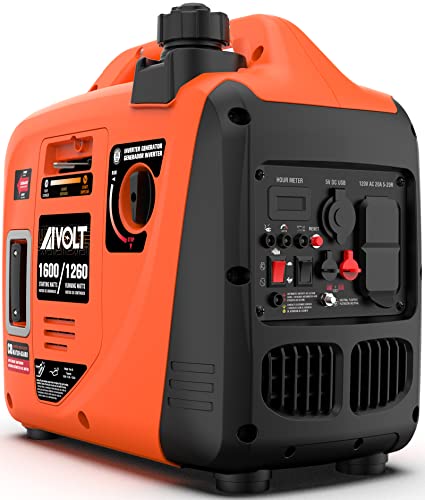
- 28 lb design for easy camping transport
- 57 dBA and <3% THD clean power
- Up to 8 hours in ECO mode
Best For: Light camping power for devices and small essentials
Higher-Output RV Choice
Oxseryn 4400W Open Frame Inverter Generator
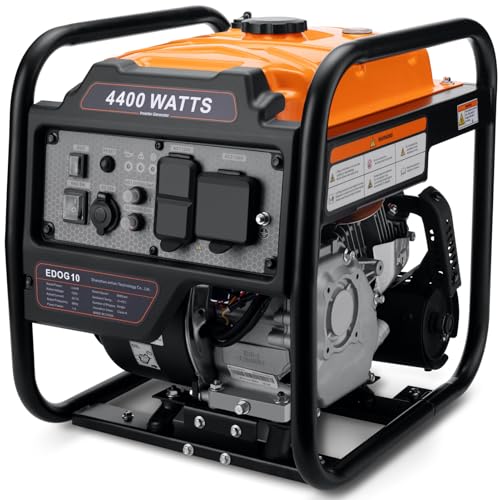
- 3400 running watts for larger campsite loads
- RV port plus AC and DC outlets
- Up to 14 hours runtime with ECO mode
Best For: RV campers and users needing more power headroom
Longest-Run Lightweight Pick
2500W Super Quiet Inverter Generator

- Up to 17 hours at 25% load
- 39.46 lb with easy-carry handle
- Less than 3% THD for electronics
Best For: Long camping days with a lightweight, quiet generator
Trail Compact
2000W Quiet Small Generator for Camping

- 39.6-pound portable build
- Clean inverter power for sensitive electronics
- Up to 62 dBA noise and 6.5-hour runtime
Best For: Light campsite power with easy carrying and quiet operation
All-Around RV Camp
3500W Portable Inverter Generator
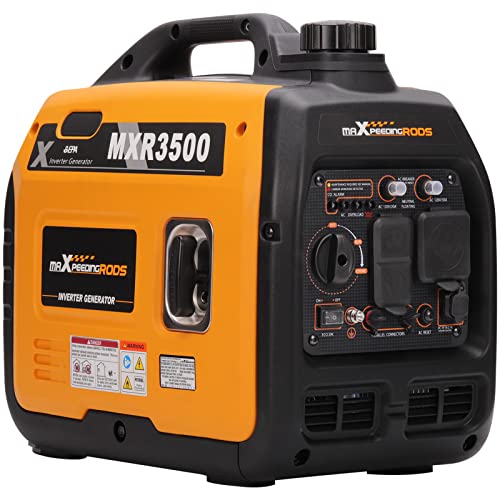
- 3500 peak watts and 3000 running watts
- 58 dB Eco mode operation
- RV outlet plus USB and AC ports
Best For: RV campers needing more power headroom and outlet variety
Quiet Trek
2400W Super Quiet Camping Generator

- 52.5 dB ultra-quiet operation
- 42-pound compact portable design
- Low-THD clean power for electronics
Best For: Quiet campsites and sensitive devices with efficient fuel use
Ultra-Quiet Gas Pick – Oxseryn 2800W Portable Inverter
If you want a portable inverter generator for camping that stays compact without feeling underpowered, the Oxseryn 2800W is built for practical weekend trips and backup use. It delivers clean, sensitive-electronics-friendly power, runs quietly, and includes a fuel shut-off plus eco mode to help stretch gas when you are off-grid.
Best For: Campers who want a lightweight gas inverter with quiet operation and enough output for everyday devices.
Pros:
- 2800 peak watts and 2000 running watts for camping gear and essentials
- Under 58 dBA from 23 feet for quieter use at campsites or RV nights
- Less than 3% THD, so it is suitable for phones, laptops, drones, and cameras
- 1.1-gallon tank with up to 9 hours runtime at 25% load
Cons:
- At 40 lbs, it is portable but still a gas generator to carry and fuel
- Only one USB and one Type-C port are included
- High-altitude use may require a separate kit not included
Overall, this is a solid pick if you want a camping-ready inverter generator with quiet output, modest weight, and enough versatility for common electronics and small appliances.
Fast-Charge Power Station – Jackery Explorer 1000 v2
If your idea of a portable inverter generator for camping includes battery power instead of gas, the Jackery Explorer 1000 v2 is a strong all-around option. It offers a large 1070Wh capacity, pure sine wave AC output, and very fast recharging, making it useful for camp setups where you want quiet operation and easy indoor-style power.
Best For: Campers who prefer a quiet, rechargeable power station for appliances, electronics, and short trips.
Pros:
- 1,500W AC output with 3,000W surge for a wide range of camping appliances
- 1,070Wh capacity in a 23.8-lb design with a foldable handle
- Can charge from 0% to 100% in about one hour with emergency charging enabled
- LiFePO4 battery is rated for over 4,000 cycles and more than 10 years of use
Cons:
- Solar charging works only with Jackery solar panels
- It is a power station, not a fuel-powered generator
- Full one-hour charging requires app setup and emergency charging mode
For campers who value quiet performance, fast charging, and low-maintenance battery power, this Jackery is one of the most flexible choices in the group.
High-Output Camping Option – PowerSmart 3600W Inverter
The PowerSmart 3600W is a practical portable inverter generator for camping if you need more output for heavier loads and still want relatively quiet operation. With clean power, a 30A outlet, and a long runtime, it fits campers who may also want RV-style connectivity or the ability to power more than just phones and lights.
Best For: Campers who need more wattage for larger appliances, RV hookups, or longer off-grid stays.
Pros:
- 3600 peak watts and 3200 rated watts with THD under 3%
- Runs up to 8 hours at 25% load on a 1.3-gallon tank
- 59 dBA at 23 feet keeps noise more manageable for camping
- Includes 30A twist-lock outlet, household outlet, DC port, and USB ports
Cons:
- At 50.7 lbs, it is heavier than compact camping generators
- Parallel kit is not included
- Gas-powered design means fuel storage and maintenance are part of ownership
This model makes sense if you want a stronger gas inverter generator for camping and do not mind the extra weight that comes with the higher output.
Ultra-Light Battery Pick – Jackery Explorer 300
The Jackery Explorer 300 is a compact battery-based option for anyone shopping for a portable inverter generator for camping without the noise, fumes, or fuel handling of gas. Its 292Wh capacity is modest, but the low weight and multiple device ports make it easy to pack for hiking trips, tent camping, or light weekend power needs.
Best For: Solo campers and hikers who want a very light, no-fume power source for small electronics.
Pros:
- Very light at 7.5 lbs with an integrated handle
- Multiple output options: 2 AC outlets, USB-C, USB-A, and car port
- LiFePO4 battery is rated for over 4,000 charge cycles
- Can reach 80% charge in about 2.8 hours with a 100W solar panel
Cons:
- 300W rated output limits what it can run
- 292Wh capacity is best for smaller devices, not high-draw appliances
- Solar panels are optional, so off-grid charging may require extra purchase
If portability matters more than power, this Jackery is an easy carry and a low-stress way to keep essential devices charged at camp.
Ultra-Light Quiet Pick – AIVOLT 1600W Super Quiet Inverter Generator
If you want a portable inverter generator for camping that stays easy to carry and gentle on electronics, this AIVOLT model is built around portability, low noise, and clean power. It delivers 1260 running watts, <3% THD pure sine wave output, and a compact 28 lb frame, making it a practical fit for tents, tailgates, and light RV needs.
Best For: Campers who want a lightweight, super-quiet unit for charging devices and running small essentials.
Pros:
- 28 lb portable design is easy to move to campsites or load into a vehicle.
- 57 dBA operation keeps noise down for camping and backyard use.
- <3% THD pure sine wave power is safe for phones, laptops, and other sensitive electronics.
- Eco mode can stretch runtime up to 8 hours at 25% load.
Cons:
- 1260 running watts is best for smaller loads, not larger appliances.
- Parallel kit is not included if you want to pair two units.
- Engine oil is not included.
This is a strong lightweight choice if quiet operation and safe charging matter more than raw output. It stands out for camping trips where easy carrying and lower noise are higher priorities than running heavy gear.
Higher-Output RV Choice – Oxseryn 4400W Open Frame Inverter Generator
For a portable inverter generator for camping that can handle more than just phone charging, this Oxseryn unit offers a stronger 3400 running watts and RV-ready output. It also includes ECO mode, multiple outlets, and a 14-hour runtime at 25% load, which makes it a better fit when you want more flexibility at camp or for backup use.
Best For: Campers and RV users who need more output for bigger campsite or backup loads.
Pros:
- 4400 peak watts and 3400 running watts provide much more capacity than smaller camping generators.
- RV port plus 2 AC outlets and 1 DC port add useful connection options.
- Runs up to 14 hours at 25% load with ECO mode.
- 56 lb weight keeps it portable for its power class.
Cons:
- At under 72 dBA, it is not as quiet as smaller super-quiet inverter models.
- Open-frame style is less compact than ultra-light camping-focused units.
- Heavier power output may be more generator than some casual campers need.
This model makes sense if your camping setup needs an RV-ready generator with more headroom for appliances and longer outings. It balances portability and output well, though it is clearly aimed at users who need more power than a basic weekend charger.
Longest-Run Lightweight Pick – 2500W Super Quiet Inverter Generator
If runtime matters most in a portable inverter generator for camping, this 2500W model stands out with up to 17 hours at 25% load and a 39.46 lb body that is still easy to carry. It produces 1900 running watts of clean power with less than 3% THD, so it is suited to charging electronics and handling common campsite basics.
Best For: Campers who want long runtime in a lightweight, quiet inverter generator.
Pros:
- Up to 17 hours of runtime at 25% load helps cover longer trips.
- 39.46 lb weight and built-in handle make transport simple.
- Less than 3% THD clean power is safe for sensitive electronics.
- 59 dBA operation keeps noise relatively low for camping and outdoor use.
Cons:
- 1900 running watts limits what you can power at once.
- Fuel options and parallel function may be more than casual users need to think about.
- Factory-tested units may have a slight gas smell on arrival.
This is a smart pick if you want the best mix of portability and long runtime without moving up to a larger generator class. It is especially appealing for camping trips where quiet operation and dependable all-day power matter.
Trail Compact – 2000W Quiet Small Generator for Camping
If you want a portable inverter generator for camping that stays easy to carry, this 2000W unit is built around light weight, low noise, and clean power for basic campsite needs. It delivers inverter output for sensitive electronics while keeping the footprint small enough for travel and outdoor storage.
Best For: Campers who want a lightweight, quiet option for charging devices, running lights, and powering small electronics.
Pros:
- 39.6-pound design makes it one of the lighter 2000W inverter generators here.
- Clean inverter power supports sensitive electronics like phones, TVs, lights, and fans.
- Low noise rating of up to 62 dBA and up to 6.5 hours of runtime at 50% load.
- CO detect shutdown, Eco Mode, USB ports, and parallel-ready output add campsite practicality.
Cons:
- 1800 running watts is better for lighter camping loads than larger appliances.
- Single 0.88-gallon tank limits runtime compared with bigger models.
This is a sensible pick if portability matters more than raw output. It focuses on the basics that matter at camp: manageable weight, quieter operation, and clean power for everyday devices.
All-Around RV Camp – 3500W Portable Inverter Generator
If you need a portable inverter generator for camping with more flexibility for RV trips and shared outdoor setups, this 3500W model offers a stronger output range without giving up portability. It pairs clean sine wave power with a compact 47-pound build, making it a practical step up for heavier campsite demands.
Best For: Campers and RV users who need more running power for multiple devices and outlets.
Pros:
- 3500 peak watts and 3000 running watts handle more demanding camping and RV loads.
- 47-pound compact design keeps it travel-friendly for outdoor use.
- Quiet at 58 dB in Eco mode and can run up to 8.3 hours at 25% load.
- Includes RV outlet, dual AC outlets, USB ports, CO sensor, and clean inverter output.
Cons:
- Heavier than smaller 2000W-class portable options.
- Gas tank runtime drops notably at higher loads.
This model makes sense if you want more headroom for RV gear, charging, and campsite appliances. It balances output, runtime, and noise well for travelers who need a capable all-rounder.
Quiet Trek – 2400W Super Quiet Camping Generator
For buyers comparing a portable inverter generator for camping, this 2400W ERAYAK stands out for its very low noise level and efficient fuel use. It is sized for campgrounds and RV-style use, with clean inverter power for electronics and a compact build that is easy to move and store.
Best For: Campers who prioritize quiet operation and efficient runtime for electronics and small essentials.
Pros:
- Ultra-quiet operation at 52.5 dB makes it suitable for campgrounds and residential areas.
- 2400 peak watts and 1800 running watts cover everyday camping essentials.
- Compact 42-pound build is easy to transport and store.
- Low THD inverter output and multiple outlets support laptops, CPAP machines, and mobile devices.
Cons:
- Running wattage is the same as smaller models, so it is not for bigger loads.
- Uses a 0.95-gallon tank, so total fuel capacity remains modest.
This is a strong choice if quietness matters more than maximum wattage. It offers a good mix of low noise, efficient operation, and clean power for camping gear and electronics.
How We Picked the Best Portable Inverter Generator for Camping
We focused on real camping needs first: low noise, manageable weight, dependable power output, safe electronics-friendly power, and practical features like fuel shutoff, CO sensors, eco modes, or fast charging. For a Portable Inverter Generator for Camping, these details matter more than raw wattage alone.
We also looked at use-case flexibility. Some buyers need a compact unit for phones, lights, and fans. Others want enough capacity for a coffee maker, portable fridge, or RV essentials. That range is reflected in the selection.
Quick Comparison: Which Type Fits Your Trip?
Broadly, the lineup splits into two categories: gas inverter generators and battery-powered portable power stations. Gas models usually offer longer runtime and higher surge capacity, while power stations are quieter, simpler to use, and ideal for indoor-adjacent or campground-friendly power needs.
If you want maximum convenience and silence, a battery station may be the better fit. If you need extended output for heavier loads or longer off-grid stays, a gas inverter generator is often the stronger choice.
Key Buying Factors for a Portable Inverter Generator for Camping
Power Output and Starting Surge
Check both running watts and starting watts. Many camping appliances draw extra power when they start, so a unit that looks sufficient on paper may struggle with a fridge or electric cooker if surge output is too low.
Noise Level
Campground etiquette matters. Lower decibel ratings are better, especially in crowded sites. If you camp often near others, quiet technology or super-quiet operation should be a top priority.
Portability
Weight, handle design, and form factor make a big difference. Lightweight models are easier to move from the car to the site, while larger generators may need wheels or extra effort to transport.
Runtime or Battery Capacity
For gas units, look at fuel efficiency and runtime at partial load. For power stations, check watt-hours and recharge speed. Either way, you want enough reserve to cover your longest likely use case.
Safety and Clean Power
Pure sine wave output is important for sensitive devices. Safety features such as low-oil shutoff, overload protection, fuel shutoff, and CO detection add peace of mind, especially for overnight camping.
Who Should Buy Which Portable Inverter Generator for Camping?
Choose a compact battery power station if your priority is quiet, low-maintenance power for phones, cameras, lights, and laptops. Choose a mid-size gas inverter generator if you need more runtime and plan to power bigger campsite appliances.
Heavy-duty campers and RV users should look at higher-wattage options with RV-ready output and stronger surge capacity. Solo travelers and weekend campers may be happiest with a smaller, lighter model that’s easy to carry and quick to set up.
In the end, the best Portable Inverter Generator for Camping is the one that matches your gear, noise tolerance, and trip length. Size the power source to your real needs, not just the biggest number on the box.