Choosing a personal locator beacon for hiking can make a serious difference when cell service disappears and every minute matters. The right device should be easy to carry, fast to activate, and dependable in remote terrain.
Below, we focus on compact, field-ready options that balance emergency signaling, location accuracy, battery life, and ease of use so you can pick the best fit for your trips.
Best 10 Personal Locator Beacon for Hiking Picks for 2026
ACR ResQLink 400
Global GPS PLB with No Subscription

- No subscription required
- 406 MHz distress and homing signals
- GPS, Galileo, and global coverage
Best For: Hikers wanting a dedicated, fee-free emergency beacon
Garmin inReach Mini 2

- Two-way messaging and interactive SOS
- Only 3.5 oz with long battery life
- TracBack routing and Garmin Explore syncing
Best For: Backpackers who want messaging, navigation, and SOS in one device
McMurdo FastFind 220

- Pre-programmed for US registration
- Simple one-touch emergency activation
- Works worldwide once registered
Best For: Hikers wanting a basic emergency beacon with US setup
ZOLEO Satellite Communicator
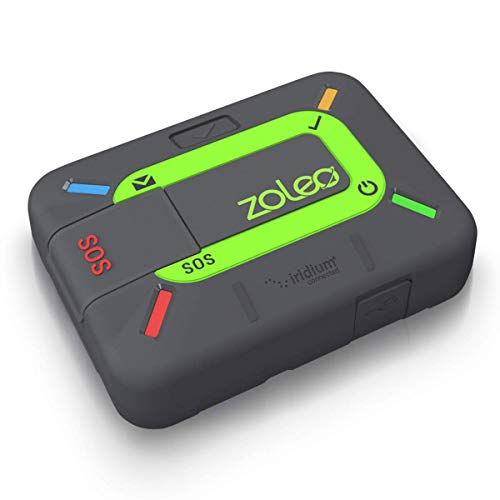
- Two-way SMS and email over satellite
- SOS with GPS location and 24/7 monitoring
- IP68-rated with 200+ hours battery life
Best For: Hikers who want messaging, check-ins, and emergency SOS
Rugged, easy-carry beacon

- 406 MHz signal with 121.5 MHz homing
- Return Link Service confirmation message
- Pouch and carabiner for easy carry
Best For: Hikers wanting a lightweight PLB with confirmation messaging
Most compact emergency beacon

- About 4 oz and very compact
- One-handed activation for emergencies
- 7-year battery life, no subscription
Best For: Hikers who want the smallest easy-to-use PLB
Feature-rich rescue beacon
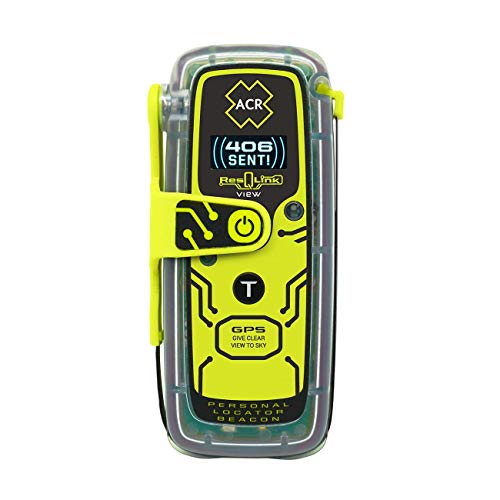
- 406 MHz SOS with 121.5 MHz homing
- Buoyant design with multiple clips and straps
- LED and infrared strobes for visibility
Best For: Hikers who want a buoyant PLB with extra signaling features
US-Ready Lightweight Pick
Jotron Tron SA20 PLB for Hiking

- US-programmed and reprogrammable after purchase
- GPS + Galileo GNSS with RLS confirmation
- 11-year battery life and NFC status readout
Best For: Hikers wanting a compact, US-registered PLB with long battery life
Reliable No-Subscription Choice
ACR ResQLink 410 RLS for Hiking

- No subscription required
- GPS, Galileo GNSS, and MEOSAR compatibility
- Built-in buoyancy with strobe and infrared strobe lights
Best For: Hikers who want a simple, reliable PLB with no subscription
Signal-Boosting AIS Option

- AIS distress alert adds local visibility
- 406 MHz and 121.5 MHz emergency signaling
- NFC app access for battery and test data
Best For: Hikers who want AIS support and smartphone-friendly beacon info
ACR ResQLink 400 – Global GPS PLB with No Subscription
If you want a personal locator beacon for hiking that keeps things simple, the ACR ResQLink 400 is built around no-fee emergency signaling. It combines 406 MHz distress alerts, GPS and Galileo GNSS, and global Cospas-Sarsat coverage to help rescuers pinpoint your position quickly when the trip goes wrong.
Best For: Hikers who want a subscription-free PLB with global emergency coverage.
Pros:
- No subscription required, so there are no ongoing fees to keep it ready.
- GPS and Galileo GNSS support helps provide precise location data for rescue.
- LED and infrared strobes improve visibility in low-light and nighttime conditions.
- Global Cospas-Sarsat and MEOSAR support expands emergency coverage.
Cons:
- Designed for distress signaling rather than two-way messaging.
- Heavier than ultra-compact satellite messengers at 5.28 ounces.
For hikers who prioritize a dedicated emergency beacon over extras, this model focuses on straightforward rescue alerting and location accuracy. It’s a strong choice if you want a rugged, subscription-free safety device for remote trails.
Garmin inReach Mini 2 – Compact Two-Way SOS Messenger
For a personal locator beacon for hiking that does more than send an SOS, the Garmin inReach Mini 2 adds two-way messaging, location sharing, and routing tools in a very small package. It’s useful when you want to stay in touch on remote trips, but note that an active satellite subscription is required.
Best For: Backpackers who want compact satellite messaging plus SOS capability.
Pros:
- Two-way global messaging and interactive SOS support backcountry communication.
- Very compact and lightweight at 3.5 oz for easy carry.
- Up to 14 days of battery life in 10-minute tracking mode.
- TracBack routing, digital compass, and Garmin Explore syncing add trip utility.
Cons:
- Requires an active satellite subscription.
- Messaging features depend on pairing with a compatible smartphone.
This is a strong pick if you want a hiking safety device that doubles as a communication tool. It brings useful navigation and sharing features without adding much bulk, as long as you’re comfortable paying for service.
McMurdo FastFind 220 – US-Programmed Emergency PLB
If you need a personal locator beacon for hiking and want a true emergency-only tool, the McMurdo FastFind 220 keeps the design focused on distress signaling. It comes pre-programmed for US registration and is meant to be used in grave and imminent danger, making it a straightforward option for remote travel safety.
Best For: Hikers who want a simple, no-frills emergency PLB for US registration.
Pros:
- Pre-programmed for US country code registration.
- Works anywhere in the world once registered and activated.
- Simple emergency use: deploy antenna, pull seal, and press ON.
- Built for serious rescue situations in remote conditions.
Cons:
- US programming may not suit buyers registering elsewhere.
- Intended only for grave and imminent danger, not routine check-ins or messaging.
This model suits hikers who want a dedicated PLB without extra communication features. It’s all about fast emergency activation and proper registration, so it makes sense if your priority is straightforward distress signaling.
ZOLEO Satellite Communicator – Global SMS and SOS Device
The ZOLEO is a practical personal locator beacon for hiking if you want messaging, check-ins, and SOS from the same device. It uses satellite, cellular, or Wi-Fi connections through a smartphone app, so it can keep you reachable when you’re off the grid, but it does require a service plan.
Best For: Hikers who want affordable satellite messaging with SOS and check-ins.
Pros:
- Global two-way SMS and email messaging over satellite, cellular, or Wi-Fi.
- SOS alerting includes GPS location and 24/7 emergency monitoring.
- Unlimited check-ins are included in the plan.
- IP68-rated rugged build and over 200 hours of battery life.
Cons:
- Requires a monthly airtime plan to use the core service.
- Works through a smartphone app, so it is not a stand-alone messaging device.
For hikers who want more than a pure emergency beacon, ZOLEO offers a good balance of communication and safety features. Its lower-cost plans and long battery life make it appealing for regular backcountry users who value staying connected.
Rugged, easy-carry beacon – ACR ResQlink 410 RLS Bundle
If you want a personal locator beacon for hiking that stays simple in an emergency, the ACR ResQlink 410 RLS bundle is built around fast SOS use, global satellite coverage, and no subscription fees. The included pouch and carabiner make it easier to clip to a backpack strap or belt, which is helpful when you need access without adding much bulk.
Best For: Hikers who want a lightweight PLB with helpful carry accessories and return-link confirmation.
Pros:
- 406 MHz distress signaling with 121.5 MHz homing signal for rescue location support
- Return Link Service confirmation message lets you know your distress alert was received
- Small, lightweight design with pouch and carabiner for flexible attachment
- No subscription required
Cons:
- Carry accessories help with mounting, but this is still a single-purpose emergency device
- No built-in display or extra navigation features listed
For hikers who value straightforward emergency signaling and easy attachment options, this bundle balances portability with reassuring confirmation features. It is a practical pick when you want a PLB that can ride on a pack or belt without adding much complexity.
Most compact emergency beacon – Ocean Signal rescueME PLB1
The Ocean Signal rescueME PLB1 is a strong personal locator beacon for hiking if you want the smallest, simplest emergency unit possible. It is designed for one-handed activation, fits into a backpack with minimal space, and comes with a mounting clip for lifejacket attachment, all while offering no-subscription satellite rescue signaling.
Best For: Hikers who prioritize ultra-compact size and straightforward one-handed activation.
Pros:
- Very compact and lightweight at about 4 oz
- One-handed operation for fast activation in difficult situations
- Waterproof to 49 feet for demanding outdoor conditions
- 7-year battery life and 24+ hours of operation, with no subscription required
Cons:
- Focused on emergency signaling rather than extra smart features
- Included attachment clip is geared toward lifejacket use, so hikers may need to plan carry placement carefully
If low bulk is your main priority, this beacon is one of the easiest models to keep on hand during long hikes. It combines long battery life, simple handling, and solid waterproofing in a very small package.
Feature-rich rescue beacon – ACR ResQLink View PLB 425
The ACR ResQLink View is a personal locator beacon for hiking that adds visibility and test-message features without losing the core emergency signaling you expect. It sends a 406 MHz distress signal with 121.5 MHz homing, includes bright LED and infrared strobes, and is buoyant with multiple attachment options for packs, belts, and outdoor gear.
Best For: Hikers who want a buoyant PLB with extra signaling and test-message options.
Pros:
- GPS distress signaling through 406 MHz with 121.5 MHz homing signal
- Buoyant body plus belt clip, straps, lanyards, and other attachment accessories
- LED and infrared strobe lights improve visual signaling
- Can send non-emergency self-test and GPS test messages through the optional 406Link subscription
Cons:
- Testing messages require the optional 406Link testing subscription
- Slightly heavier than the most compact PLBs listed here
This model is a good fit if you want extra confidence features alongside standard PLB rescue signaling. The buoyant design and multiple attachment options make it versatile for hikers who also spend time around water or mixed outdoor environments.
US-Ready Lightweight Pick – Jotron Tron SA20 PLB for Hiking
If you want a personal locator beacon for hiking that is built for serious emergency use, the Jotron Tron SA20 is a compact, lightweight option with global 406/121.5 MHz distress signaling. It is programmed for US registration, which matters because registration is required in most countries and helps search-and-rescue identify you faster. It also adds GPS and Galileo GNSS, RLS confirmation, and NFC status reading through a smartphone.
Best For: Hikers who want a compact PLB with US registration, long battery life, and modern status-check features.
Pros:
- Compact, lightweight design suited to backpacking and hiking.
- 406/121.5 MHz signaling with GPS and Galileo GNSS support.
- RLS feedback confirms your distress signal has been received.
- NFC makes it easy to check status with a smartphone.
Cons:
- Programmed for US registration, so international buyers may need a different listing.
- More feature-rich than a basic beacon, which may be more than some users need.
For hikers who want a durable beacon with strong location tools and long-term reliability, this Jotron model stands out. The 11-year battery lifespan and SOLAS approval add confidence, while the reprogramming option offers some flexibility after purchase.
Reliable No-Subscription Choice – ACR ResQLink 410 RLS for Hiking
The ACR ResQLink 410 RLS is a straightforward personal locator beacon for hiking if you want strong emergency signaling without a subscription. It combines GPS, Galileo GNSS, and MEOSAR compatibility for global coverage, and its Return Link Service confirms that search and rescue received your distress alert. The built-in buoyancy, strobe lights, and lightweight body make it a practical carry for outdoor travel.
Best For: Hikers who want a no-subscription beacon with proven global positioning features and simple carry options.
Pros:
- No subscription required for ongoing use.
- GPS, Galileo GNSS, and MEOSAR compatibility support global coverage.
- RLS confirms your distress signal was received.
- Lightweight design with built-in buoyancy and strobe/infrared strobe lights.
Cons:
- 5-year battery life is shorter than some longer-life PLBs.
- Designed as a general outdoor emergency beacon, so it does not add satellite app features.
This is a practical, easy-to-understand beacon for hikers who value dependable emergency performance over extra bells and whistles. The clip system adds carry flexibility, and the 24+ hours of operational life is reassuring for emergencies.
Signal-Boosting AIS Option – ACR ResQLink AIS for Hiking
If you want a personal locator beacon for hiking with extra signaling pathways, the ACR ResQLink AIS adds AIS distress alerts alongside global satellite emergency signaling. It sends a 406 MHz COSPAS-SARSAT signal, a 121.5 MHz homing signal, and includes RLS confirmation so you know search and rescue received the alert. NFC also lets you check beacon data from a smartphone, including battery life and test details.
Best For: Hikers who want a beacon with AIS support and smartphone-based status checks.
Pros:
- AIS distress alert adds local visibility to compatible vessels and receivers.
- RLS confirms the emergency signal was received.
- NFC provides easy access to battery, tests, and GNSS data.
- Small, lightweight design with no subscription required.
Cons:
- AIS is most useful in vessel-receiver environments, so the extra feature may not matter on every hike.
- Operational life is listed at 24+ hours, but battery life is still a 5-year rating.
This model makes sense if you want more ways for responders to notice your distress signal and like the convenience of NFC-based device checks. For hikers who split time between trails and water-adjacent travel, the added AIS layer is a notable advantage.
How We Picked the Best Personal Locator Beacon for Hiking
We focused on devices that are practical for hikers: compact size, clear SOS workflow, strong satellite coverage, proven battery performance, and durable weather resistance. We also considered whether each model is a true Personal Locator Beacon for Hiking or a satellite communicator with added messaging, since those serve different needs.
Quick Comparison
For the simplest emergency-only setup, a PLB is usually the most direct option. If you want two-way texting, trip check-ins, and more frequent communication, a satellite communicator may be the better choice. Models with GPS, Galileo, or global network support generally provide better location sharing than basic signal-only units.
Key Buying Factors for a Personal Locator Beacon for Hiking
SOS Type and Communication
PLBs are designed for one-way distress signaling to search and rescue. Satellite communicators add texting and check-ins, which can be useful on longer trips but often require a subscription.
Battery Life and Activation Readiness
Look for long shelf life and a battery that can handle extended emergency transmission. A good hiker-focused beacon should be simple to activate with gloves on and should not require frequent charging just to stay ready.
Size, Weight, and Carry Method
Backpackers should favor compact models that are easy to clip to a shoulder strap, harness, or belt. Lighter devices are easier to carry every day, which improves the chance you’ll actually have them when needed.
Location Accuracy and Network Coverage
GPS-enabled beacons can send more precise coordinates, improving rescue response. Global satellite coverage matters if you hike in remote regions or travel internationally.
Who Should Buy Which Personal Locator Beacon for Hiking?
If you want the most straightforward emergency tool, choose a standard PLB. If you want messaging, tracking, and check-ins in addition to SOS, a satellite communicator is a smarter fit. Weekend hikers on marked trails may value simplicity, while solo hikers, alpine trekkers, and anyone heading deep into backcountry areas may want the strongest emergency-first option available. For most buyers comparing a Personal Locator Beacon for Hiking, the best choice comes down to whether you prioritize pure rescue signaling or broader off-grid communication.