When an aerial course participant needs assistance, speed, control, and compatibility matter more than flashy features. The right rescue kit helps trained staff manage lowered evacuations and controlled descents with less delay and less guesswork.
This roundup focuses on practical, course-ready options for different rescue scenarios, from compact descent systems to throw ropes and haul kits. Use it to narrow the field before you buy.
Best 10 High Ropes Course Rescue Kit Picks for 2026
Professional Rope Rescue Kit
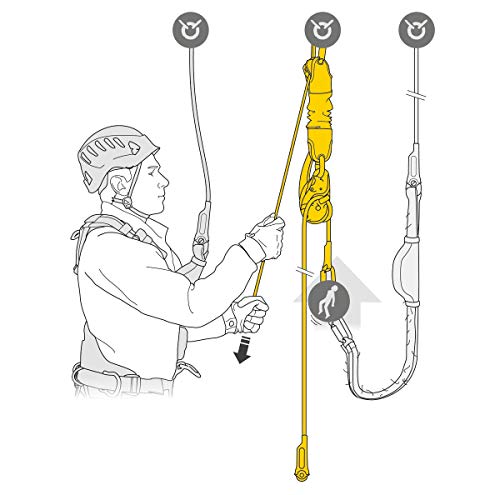
- Pre-assembled reversible rescue system
- Includes JAG haul kit and I'D EVAC descender
- 60 m certified professional setup
Best For: Professional teams needing a complete rescue kit
Evacuation Triangle
PETZL PITAGOR with Shoulder Straps

- Built-in shoulder straps keep position
- Adjustable fit for children to large adults
- Lightweight TPU evacuation triangle
Best For: Quick victim packaging and evacuation
Descent and Rescue Kit
Safewaze 150' Rescue/Descent Kit

- 150' rescue/descent setup
- Lightweight 5-pound kit
- Hand-powered and easy to store
Best For: Lightweight rescue/descent use with longer reach
Mechanical Advantage Rescue Kit
NRS Z-Drag Kit, Red, 3/8in GrabLine NFPA Rope Kit
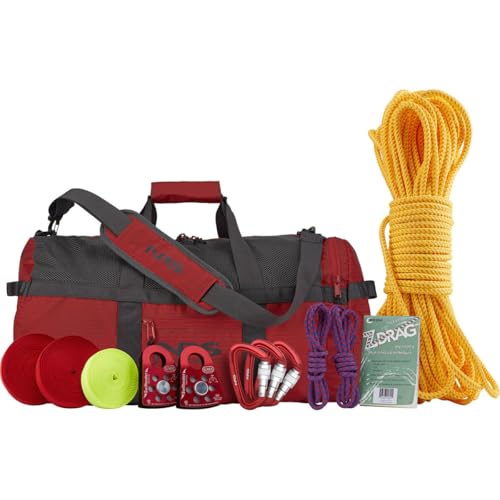
- Complete 3:1 Z-drag hardware kit
- Includes rope, pulleys, webbing, and cord
- Stores in a 40L mesh duffel bag
Best For: Swiftwater rigging and mechanical advantage rescues
Throw Bag Rescue

- 50 feet of rescue line
- Integrated strap with side-release buckle
- UV-resistant orange 600D polyester
Best For: Quick-access rescue line storage on a high ropes course
Mechanical Advantage Kit
Petzl JAG System Pre-Rigged Haul Kit

- 4:1 mechanical advantage haul system
- Pre-rigged and tangle-resistant mesh cover
- Includes two auto-locking carabiners
Best For: Pickoff rescues and compact hauling on a ropes course
Static Rescue Rope
X XBEN 8 mm Static Climbing Rope

- Low-ductility static polyester rope
- 8 mm diameter with 15 KN tensile strength
- Offered in multiple lengths
Best For: Static rope needs for rescue backup and rigging support
Industrial Self-Rescue
3M DBI-SALA Personal Self-Rescue Kit

- Universal harness attachment with EZ-Link D-ring
- Assisted-rescue ring for incapacitated user
- Sealed descent device and rope spool
Best For: Industrial and occupational rescue planning
Water Rescue Rope Bag
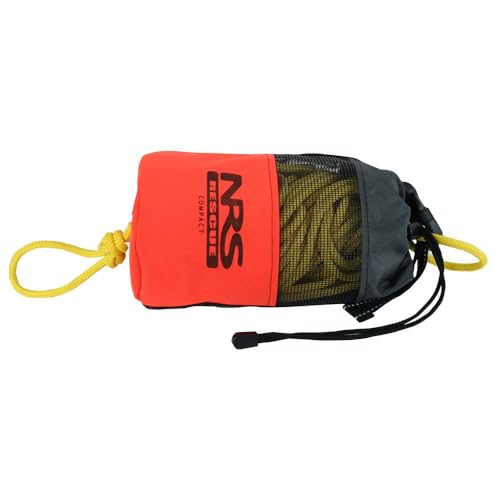
- 70 ft. high-visibility rope in a compact bag
- 2" mesh panel helps drainage and dry time
- Foam flotation keeps bag on the water
Best For: Lightweight throw-rope rescue use
Classic Rescue Throw Bag
NRS Standard Rescue Throw Rope
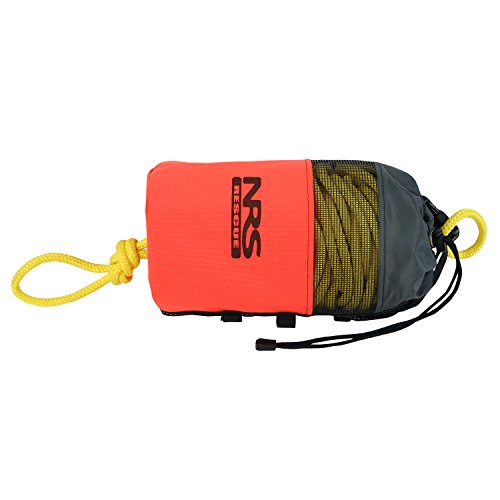
- Rugged Cordura bag with easy reloading closure
- 2" mesh panel helps drainage
- High-visibility rope with barrel-lock drawstring
Best For: Straightforward rescue throw-bag use
Professional Rope Rescue Kit – PETZL JAG RESCUE KIT
If you’re comparing options for a high ropes course rescue kit, the PETZL JAG RESCUE KIT is a ready-to-use, pre-assembled system built for professional rescue applications. It combines a reversible JAG haul kit with an I’D EVAC descender, giving teams a complete, certified solution that is designed for immediate deployment.
Best For: Professional rescue teams and operators who want a certified, complete rope rescue package.
Pros:
- Pre-assembled rescue kit for fast deployment
- Includes JAG system haul kit and I’D EVAC descender
- Certified safety solution from a long-established brand
- 60 m system designed for performance and user comfort
Cons:
- At 16.58 lb, it is heavier than compact rescue components
- Built for professional use, so it may be more kit than casual users need
- Needs proper training to use as intended
This is a strong choice when reliability and completeness matter more than minimal weight. For organized rescue operations, it offers the advantage of having the core components already paired and ready.
Evacuation Triangle – PETZL PITAGOR with Shoulder Straps
For a high ropes course rescue kit focused on victim packaging and evacuation, the PETZL PITAGOR Evacuation Triangle is built for rapid securing during technical rescue situations. Its built-in shoulder straps help keep it positioned correctly on the victim, while the adjustable design covers a wide range of body sizes.
Best For: Evacuation scenarios where quick, secure patient positioning is the priority.
Pros:
- Designed specifically for evacuation and technical rescue
- Built-in shoulder straps help keep the triangle in place
- Adjustable fit for children through large adults
- Lightweight at 3.1 lb and made from durable TPU
Cons:
- It is a victim support device, not a full rescue system
- Maximum load is limited to 150 kg
- Hand-wash care and drying requirements add maintenance
This is a specialized piece of rescue gear rather than a general-purpose hauling kit. It makes sense when your priority is fast, correct orientation and secure transport of a victim.
Descent and Rescue Kit – Safewaze 150' Rescue/Descent Kit
If you need a practical high ropes course rescue kit with a longer line, the Safewaze 022-6061 Rescue/Descent Kit gives you a hand-powered rescue and descent setup in a compact package. It is a straightforward kit for descent and rescue tasks, with a reported 150-foot configuration and a relatively low 5-pound item weight.
Best For: Teams wanting a lightweight rescue/descent kit with longer reach.
Pros:
- 150′ rescue/descent configuration
- Lightweight at 5 lb for easier handling
- Hand-powered design keeps the system simple
- Compact enough for storage and transport
Cons:
- Limited product details compared with more fully specified kits
- Does not list included rescue hardware beyond the kit itself
- 12-month warranty is shorter than some alternatives
This kit is appealing when simplicity and reach are the main considerations. It looks best suited to users who want a lighter rescue/descent option without extra complexity.
Mechanical Advantage Rescue Kit – NRS Z-Drag Kit, Red, 3/8in GrabLine NFPA Rope Kit
While this is not a typical high ropes course rescue kit, the NRS Z-Drag Kit is a complete mechanical advantage system that may be useful where rope-pulling and rescue rigging are needed. It includes rope, carabiners, pulleys, tubular webbing, and prusik cord, all packed into a duffel bag with an instruction guide for setup.
Best For: Swiftwater-style rescue rigging and users who need a complete Z-drag system.
Pros:
- Complete hardware kit for a 3:1 Z-drag system
- Includes rope, carabiners, pulleys, webbing, and prusik cord
- Instruction guide and crib sheet support learning and setup
- All components fit in a 40L mesh duffel bag
Cons:
- Primarily built for swiftwater rescues, not rope-course-specific use
- Requires knowledge of mechanical advantage systems
- More specialized than a general rescue descent kit
This is a well-rounded rigging package if your rescue needs include Z-drag systems. It is best viewed as a specialized rescue tool rather than a broad-purpose course evacuation kit.
Throw Bag Rescue – LIFE LINE 50 ft. Throw Bag
If you’re comparing a high ropes course rescue kit, a compact throw bag is a practical option for quick line deployment. This LIFE LINE model gives you 50 feet of rescue line in a rugged orange polyester bag with an integrated strap and side-release buckle, making it easy to carry and stage when you need a simple rescue line solution.
Best For: Courses and teams that want a straightforward 50-foot rescue throw bag for fast access and easy handling.
Pros:
- Includes 50 feet of rescue line.
- Integrated strap with side release buckle for easier transport.
- Bright orange, UV-resistant 600-denier polyester helps with visibility.
- Compact 2 x 6 x 13 inch size keeps it easy to store.
Cons:
- Not a full haul system for lifting or mechanical advantage.
- Only one throw line length is listed.
For a basic rescue kit setup, this throw bag is focused on simplicity and quick deployment rather than advanced rigging. It is best suited to teams that need a durable, clearly visible line bag for emergency use.
Mechanical Advantage Kit – Petzl JAG System Pre-Rigged Haul Kit
For a high ropes course rescue kit that needs hauling power, the Petzl JAG System is built for efficient lifting and tensioning. This pre-rigged setup offers 4:1 mechanical advantage, sealed ball-bearing sheaves, and a flexible mesh cover that helps keep the rope from tangling so it stays ready when a rescue or rigging task comes up.
Best For: Teams that need a compact pre-rigged haul kit for pickoff rescues, tensioning, or load transfer.
Pros:
- 4:1 mechanical advantage, or 5:1 when inverted.
- Pre-rigged design helps keep it ready for deployment.
- Sheaves on sealed ball bearings deliver 91% efficiency.
- Includes two Am’D TRIACT-LOCK auto-locking carabiners.
Cons:
- More specialized than a simple throw bag or rope.
- Compact size may limit use to smaller hauling tasks.
This is the most rescue-focused option here if your priority is controlled hauling rather than just line access. Its pre-rigged layout and included connectors make it a strong choice for teams that want a purpose-built mechanical advantage system.
Static Rescue Rope – X XBEN 8 mm Static Climbing Rope
If your high ropes course rescue kit needs a static line, this X XBEN rope offers multiple lengths and a low-ductility design. It is an 8 mm polyester rope with a stated 15 KN tensile strength, low skin sliding rate, and sewn ends with hooks, which makes it a practical choice for rescue, backup, and other line-based tasks.
Best For: Teams looking for a static rope option for rescue backup, descent, or general rigging support.
Pros:
- Static, low-ductility rope helps reduce stretch-related risk.
- 8 mm diameter and moderate softness make it easier to control.
- Stated 15 KN tensile force with sewn ends and hooks.
- Available in several lengths, including 32 ft., 64 ft., and longer options.
Cons:
- Requires compatible hardware and proper rope management.
- Not a complete rescue system by itself.
This rope is best viewed as a versatile line component rather than a full kit. If you need a static rope for rescue-related use on a high ropes course, its low stretch and multiple length choices are the key selling points.
Industrial Self-Rescue – 3M DBI-SALA Personal Self-Rescue Kit
If you’re comparing a high ropes course rescue kit for industrial or occupational setups, this 3M DBI-SALA kit is built around controlled self-rescue and quick connection. It includes a universal harness attachment, sealed descent device, and rope spool, with options in 50 ft. or 100 ft. of 5.5 mm rope.
Best For: Industrial and occupational rescue plans that need a compact, self-rescue-focused system.
Pros:
- Assisted-rescue ring supports an incapacitated user.
- EZ-Link D-ring is designed for fast connections.
- Sealed descent device and rope spool help extend longevity.
- Lightweight, low-profile design with molded padding for comfort and durability.
Cons:
- For industrial/occupational use only, not consumer sale or use.
- Not a general-purpose rope kit; it’s purpose-built for rescue applications.
This is a specialized option for teams that need a compact, tracked, and connection-friendly rescue kit rather than a multipurpose rope bag. The RFID tag and sealed components add a more managed, professional-use profile.
Water Rescue Rope Bag – NRS Compact Rescue Throw Rope
For buyers evaluating a high ropes course rescue kit style backup line, this NRS Compact Rescue Throw Rope stands out for its compact, easy-reload bag and high-visibility rope. The 70 ft. setup is designed for fast throwing and practical handling, with features that help it dry and reload efficiently.
Best For: Rescue teams that want a lightweight throw rope with quick drainage and easy reloading.
Pros:
- 2″ mesh panel helps improve drainage and reduce dry time.
- Barrel-lock drawstring supports smoother throws.
- Easy reloading closure makes repacking simpler.
- Internal foam flotation helps keep the bag on top of the water.
Cons:
- Built as a water rescue throw rope, not a harness-based descent kit.
- 70 ft. length may be limiting for some rescue scenarios.
This is a practical throw-bag solution when portability and quick deployment matter most. Its design favors fast use and visibility over more complex rescue hardware.
Classic Rescue Throw Bag – NRS Standard Rescue Throw Rope
If you’re shopping for a high ropes course rescue kit backup line or a straightforward throw-rope option, the NRS Standard Rescue Throw Rope offers a rugged bag and simple, repeatable handling. It pairs high-visibility polypropylene rope with a Cordura bag and a barrel-lock drawstring for smoother throws.
Best For: Users who want a rugged, straightforward rescue throw bag with simple packing and handling.
Pros:
- Rugged Cordura bag adds durability.
- 2″ mesh panel helps drainage and reduce dry time.
- High-visibility rope is easy to spot.
- Barrel-lock drawstring and easy reloading closure support quick use.
Cons:
- Less compact than the compact version from the same line.
- Not a rope-and-harness rescue system.
For teams that value a dependable, no-frills throw bag, this model keeps the feature set focused on durability and easy deployment. It is a solid pick when you want a proven rescue bag without extra complexity.
How We Picked the Best High Ropes Course Rescue Kit
We looked for equipment that fits real-world High Ropes Course Rescue Kit needs: dependable construction, clear intended use, manageable pack size, and systems that can support trained operators during lowering, hauling, or self-rescue scenarios. Preference went to products with established rescue applications and straightforward deployment.
Quick Comparison
Not every rescue situation calls for the same setup. Pre-rigged haul kits and evacuation systems are better when you need controlled patient movement. Throw ropes are better for quick line delivery and short-range assistance. Rope kits and self-rescue systems work best when the team needs a more versatile, equipment-heavy solution. Match the tool to the most likely emergency on your course.
Key Buying Factors for a High Ropes Course Rescue Kit
Use Case and Rescue Method
Start with how you plan to rescue: assisted descent, evacuation from a platform, pick-off, haul, or line deployment. A High Ropes Course Rescue Kit should align with your course layout and your staff training, not just the number on the box.
Rope Length and Reach
Check whether the kit provides enough line for the highest platform, the longest traverse, and any offset needed around trees, poles, or anchor points. Extra reach is useful only if your staff can still manage the system safely.
System Compatibility
Look at harness interfaces, anchor requirements, and whether the kit is pre-rigged or modular. Incompatible hardware can slow response time and complicate training.
Portability and Deployment Speed
For course staff, the best kit is often the one that can be carried quickly and deployed under pressure. Smaller rescue bags and pre-assembled systems may be easier to stage, while larger kits can offer more versatility.
Training and Certification Fit
Choose equipment your team can actually train on consistently. A more advanced rescue kit is not better if your operators do not practice with it.
Who Should Buy Which High Ropes Course Rescue Kit?
Choose a pre-rigged haul or evacuation system if your priority is structured, controlled extractions from platforms. Pick a throw rope if you need fast line access and simple deployment. Consider a more comprehensive rope kit if your team handles varied rescue situations across a larger facility. For smaller courses or backup use, compact, easy-to-stage solutions can be the most practical choice.
For most buyers, the best High Ropes Course Rescue Kit is the one that matches the course’s highest-risk scenario, the team’s training level, and the speed required to get a participant to safety.