A good GPS satellite communicator keeps you reachable when cell service disappears. Whether you’re hiking deep in the backcountry, traveling remotely, or building a reliable emergency backup plan, the right device can make a major difference.
In this roundup, we focused on compactness, message quality, SOS reliability, battery life, and subscription value so you can choose confidently.
Best 10 Gps Satellite Communicator Picks for 2026
Ultralight Global Safety Pick

- 3.5 oz compact design for easy carry
- Two-way messaging plus interactive SOS
- Up to 14 days battery in tracking mode
Best For: Hikers and backpackers who want a lightweight satellite communicator
Simple Emergency Messenger
Spot Gen4 Satellite GPS Messenger

- Tracks location beyond cell towers
- SOS button with GPS location sharing
- Includes strap, carabiner, USB cable, batteries
Best For: Users who want a simple satellite messenger for hiking and camping
Two-Way Garmin Safety Tool

- Compact design with 2-way messaging
- Interactive SOS and Garmin Response support
- Up to 14 days battery in tracking mode
Best For: Backpackers wanting a compact Garmin communicator with response support
Bluetooth Two-Way Communicator

- Two-way messaging with SOS protection
- Bluetooth sync with Android and iPhone
- Standalone device with dedicated U.S. number
Best For: Users who want Bluetooth-enabled two-way messaging in remote areas
Compact Global Messaging
Garmin inReach Messenger Satellite Communicator

- Two-way global texting via app
- GPS sharing plus preset check-ins
- Up to 28 days battery life
Best For: Lightweight emergency messaging and location sharing
Mapping + SOS Handheld
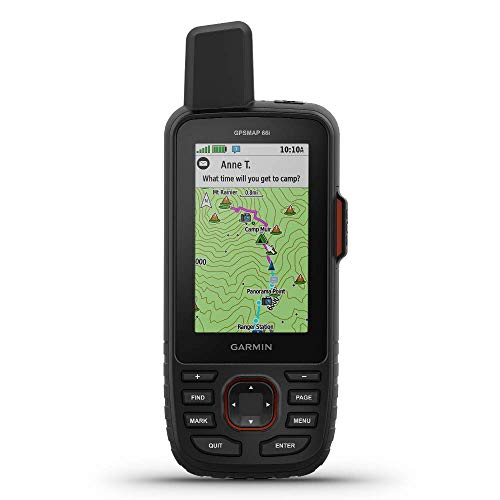
- Handheld GPS with two-way satellite messaging
- Preloaded TOPO maps and satellite imagery
- Large 3-inch color display
Best For: Navigation-focused buyers who need communication too
Budget Global Texting
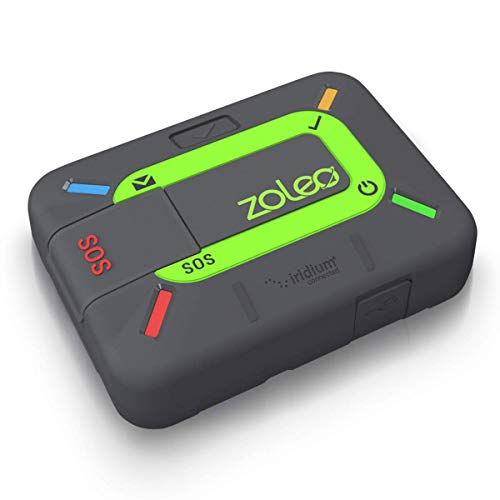
- Texts and emails via satellite, cell, or Wi‑Fi
- Assigned SMS number and unlimited check-ins
- Over 200 hours of battery life
Best For: Affordable smartphone-linked emergency messaging
Ultra-Compact Off-Grid Pick
Garmin inReach Mini 2 Satellite Communicator

- Iridium-based global satellite coverage
- Two-way messaging plus interactive SOS
- Compact 3.5 oz rugged design with long battery life
Best For: Hikers and off-grid travelers who want a small, rugged communicator
Phone-Paired Safety Choice

- Two-way satellite messaging and SOS assist
- Send check-ins with coordinates from the device
- Compatible with iOS and Android phones
Best For: Smartphone users who want a rugged emergency satellite link
Feature-Rich Premium Upgrade

- Photo, voice, and two-way text messaging
- Interactive SOS plus LiveTrack sharing
- Color touchscreen with up to 350-hour battery life
Best For: Adventurers who want advanced satellite messaging and tracking
Ultralight Global Safety Pick – Garmin inReach Mini 2 Orange
If you want a compact gps satellite communicator for hiking and backpacking, the Garmin inReach Mini 2 focuses on the essentials: two-way messaging, interactive SOS, and location sharing beyond cell service. Its small size and long battery life make it easier to carry on trips where weight and reliability matter most.
Best For: Hikers, backpackers, and outdoor travelers who want a lightweight satellite communicator with Garmin navigation tools.
Pros:
- Very compact at 3.5 oz, so it is easy to pack
- Two-way messaging and interactive SOS with an active satellite subscription
- TracBack routing, digital compass, and Garmin Explore app support
- Up to 14 days of battery life in 10-minute tracking mode
Cons:
- Active satellite subscription is required
- Small 1.27-inch monochrome display limits on-device detail
- Designed for messaging and navigation support, not full mapping on the device
This is a strong choice if your priority is portability without giving up core emergency communication features. It is especially appealing when paired with a smartphone for trip planning and map syncing through Garmin Explore.
Simple Emergency Messenger – Spot Gen4 Satellite GPS Messenger
The Spot Gen4 is a practical gps satellite communicator for travelers who want a straightforward way to send location updates and SOS messages outside cell coverage. It is built around essential safety communication, with tracking and emergency use at the center of the experience.
Best For: Outdoor users who want a simple satellite messenger for hiking, camping, and emergency communication.
Pros:
- Can send GPS coordinates to others and emergency responders
- Tracking works while moving and when stopped
- SOS button and critical communication features for travel beyond cell towers
- Includes strap, carabiner, USB cable, and batteries
Cons:
- Subscription required
- Uses a dedicated service plan, so ongoing cost is part of ownership
- Less feature-rich than two-way messaging models with smartphone integration
Choose this if you want a no-frills satellite messenger focused on location reporting and emergency signaling. It is a solid fit for users who value simplicity over advanced messaging features.
Two-Way Garmin Safety Tool – Garmin inReach Mini 2 Black
This gps satellite communicator version of the Garmin inReach Mini 2 is aimed at buyers who want the same compact emergency messaging and navigation support in a black finish. It delivers two-way messaging, interactive SOS, and location sharing with the kind of portable design that works well for backcountry trips.
Best For: Backpackers and hikers who want a compact satellite communicator with Garmin response support.
Pros:
- Compact, lightweight build for easy carry
- Two-way messaging and interactive SOS globally with an active subscription
- TracBack routing, digital compass, and Garmin Explore syncing
- Up to 14 days of battery life in 10-minute tracking mode
Cons:
- Active satellite subscription required
- Small 1.27-inch display and button-based control limit screen interaction
- Memory storage is only 10 MB
If you want Garmin’s compact satellite communicator with response support and navigation features, this is an easy pick to compare against other lightweight models. It is best for travelers who plan to pair the device with a smartphone for planning and coordination.
Bluetooth Two-Way Communicator – Spot X Satellite Messenger
The Spot X is a gps satellite communicator for people who want two-way messaging and SOS support with Bluetooth connectivity to a phone. It can work as a standalone device with its own dedicated U.S. mobile number, making it a flexible option for remote communication where cell service is unavailable.
Best For: Users who want a two-way satellite messenger with Bluetooth phone syncing and direct messaging capability.
Pros:
- Two-way satellite messaging with SOS protection
- Bluetooth sync with Android and iPhone
- Can message cell numbers and email addresses virtually anywhere
- Includes strap, carabiner, micro USB cable, and kickstand
Cons:
- Subscription required
- Larger and heavier than ultra-compact satellite communicators
- Battery life is listed at 240 hours, which is shorter than some Garmin alternatives
This model is a good fit if you want a more communication-oriented satellite messenger and value Bluetooth pairing for easier message handling. It stands out for its standalone number and broad message reach, but buyers should factor in the ongoing service plan.
Compact Global Messaging – Garmin inReach Messenger Satellite Communicator
If you want a gps satellite communicator that stays simple and portable, the Garmin inReach Messenger is built around two-way text messaging, GPS location sharing, and emergency SOS support when you’re far from cell coverage. It pairs with the Garmin Messenger app and can switch between cellular and satellite communication to help optimize message delivery.
Best For: Hikers, travelers, and outdoor users who want a lightweight communicator for global messaging and SOS support.
Pros:
- Two-way global messaging with the Garmin Messenger app
- Preset check-in messages and GPS location sharing
- Interactive SOS to Garmin IERCC 24/7 monitoring
- Up to 28 days of battery life in 10-minute tracking mode
Cons:
- Active satellite subscription required for core satellite features
- Small monochrome display limits on-device viewing
- Some jurisdictions regulate or prohibit satellite devices
This is a strong pick if you care more about dependable messaging and battery life than advanced mapping. Its lightweight, rugged design makes it easy to carry on long trips without adding much bulk.
Mapping + SOS Handheld – Garmin GPSMAP 66i Renewed
This gps satellite communicator combines a handheld GPS with satellite texting and SOS features, making it a practical choice if you want navigation and communication in one device. The GPSMAP 66i adds a large sunlight-readable color display, preloaded TOPO mapping, Birdseye satellite imagery downloads, and weather access through cellular connectivity.
Best For: Backcountry users who want a full-featured handheld GPS with satellite communication and built-in maps.
Pros:
- Large 3-inch sunlight-readable color display
- Two-way messaging and interactive SOS over Iridium satellite network
- Preloaded TOPO maps plus Birdseye satellite imagery downloads
- Up to 35 hours of battery life in tracking mode
Cons:
- Renewed unit rather than new
- Satellite subscription required for messaging features
- Bulkier than minimalist communicators
If you want more than a basic communicator, this model stands out for navigation tools and map support. It is better suited to users who need both route-finding and emergency communication in one rugged handheld.
Budget Global Texting – ZOLEO Satellite Communicator
The ZOLEO satellite communicator is designed for global texting, email, check-ins, and SOS alerting through a smartphone-connected setup. It uses satellite, cellular, or Wi‑Fi and automatically routes messages over the lowest-cost available network, which makes it a practical gps satellite communicator for staying connected beyond cell coverage.
Best For: Buyers who want affordable global messaging with a smartphone companion app and long battery life.
Pros:
- Two-way global SMS text and email over satellite, cell, or Wi‑Fi
- Assigned SMS number and email for inbound contact
- Unlimited check-ins included in the plan
- Over 200 hours of battery life and IP68 durability
Cons:
- Service plan required
- Relies on a smartphone for full use
- No built-in map display
ZOLEO is a good fit if you want a lower-cost communicator with solid messaging flexibility and long runtime. It gives you essential safety features without trying to replace a dedicated GPS handheld.
Ultra-Compact Off-Grid Pick – Garmin inReach Mini 2 Satellite Communicator
If you want a gps satellite communicator that stays small enough to carry anywhere but still handles messaging and SOS functions off-grid, the Garmin inReach Mini 2 is built for that job. It uses the Iridium network for global coverage, supports two-way text and email, and adds location sharing, weather updates, and TracBack routing for remote travel.
Best For: Hikers, hunters, and anyone who wants a compact satellite communicator for messaging and emergency use far from cell service.
Pros:
- Global satellite coverage through the Iridium network
- Interactive SOS alerts to Garmin Response, staffed 24/7
- Very compact, rugged, and water-resistant design
- Long battery life with up to 14 days in 10-minute tracking mode
Cons:
- Small 0.9-inch display limits on-device viewing
- Satellite airtime requires a separate plan
For buyers who value portability first, the Mini 2 is a strong balance of size, durability, and off-grid communication features. It is especially practical if you mainly need reliable text, check-in, and SOS capability in a device that is easy to pack.
Phone-Paired Safety Choice – Motorola Defy Satellite Link
The Motorola Defy Satellite Link is a practical gps satellite communicator for people who want emergency check-ins and messaging through a phone-connected setup. It offers two-way satellite-enabled messaging, coordinate sharing, and SOS assist, with compatibility for iOS and Android phones running supported versions.
Best For: Smartphone users who want a rugged satellite link for check-ins, text messaging, and emergency SOS.
Pros:
- Two-way satellite messaging with global coverage
- Check-in button can send coordinates or a message
- SOS assist works without a connection
- Works with iOS and Android smartphones
Cons:
- Service plan required for use
- Depends on a compatible smartphone for full functionality
This model makes sense if you want satellite communication without moving to a fully self-contained handheld. Its appeal is the simpler, phone-paired workflow, but the monthly service cost and smartphone dependency are important tradeoffs to factor in.
Feature-Rich Premium Upgrade – Garmin inReach Mini 3 Plus
If you want a gps satellite communicator with more than basic text messaging, the Garmin inReach Mini 3 Plus adds photo and voice messaging alongside two-way text and SOS. It uses the global Iridium network, includes LiveTrack sharing, weather requests, and a color touchscreen, making it a more capable option for remote communication and trip tracking.
Best For: Travelers and adventurers who want advanced satellite messaging features in a rugged handheld communicator.
Pros:
- Photo, voice, and two-way text messaging with satellite coverage
- Interactive SOS messages to Garmin Response
- Rugged color touchscreen with IP67 water rating
- Long battery life up to 350 hours in 10-minute tracking mode
Cons:
- Active satellite subscription required
- Taking and sending photos requires a compatible smartphone and Garmin Messenger app
- Some jurisdictions regulate or prohibit satellite communication devices
This is the most feature-packed choice in the group, especially if you want richer communication tools beyond standard check-ins and text. The tradeoff is that several of its standout features depend on a subscription and, for photos, a paired smartphone.
How We Picked These Gps Satellite Communicators
We looked for devices that balance dependable off-grid messaging with practical everyday use. That means strong satellite network support, clear SOS features, reasonable size and weight, and app or device workflows that are simple enough to use under stress. We also considered whether each Gps Satellite Communicator is better suited to occasional adventurers, frequent travelers, or users who want a more complete navigation and messaging tool.
Quick Comparison
At a high level, the lineup breaks into three groups: ultra-compact messengers for backpacking, smartphone-paired devices for text and location sharing, and more advanced handhelds that add mapping or broader onboard functionality. If portability matters most, a small communicator is usually the best fit. If you want richer messaging and easier daily use, a Bluetooth-paired model may be more appealing. For navigation-heavy trips, a full-featured handheld can be worth the added size.
Key Buying Factors for a Gps Satellite Communicator
Messaging Vs. SOS Priority
Some models are built mainly for emergency SOS and simple check-ins, while others support two-way texting, location sharing, and more flexible communication. Decide whether you need true back-and-forth messaging or just a reliable rescue layer.
Coverage and Network Access
Most devices rely on satellite networks rather than cellular coverage, but service quality, global access, and message speed can vary. Make sure the device supports the regions where you actually travel.
Battery Life and Size
Backpackers often prefer the smallest unit with the longest battery life in lightweight mode. Car campers and travelers may accept a larger device if it improves visibility, controls, or convenience.
Subscriptions and Total Cost
Nearly every Gps Satellite Communicator requires an active plan for full functionality. Compare activation fees, monthly pricing, safety features, and overage policies before buying, since the device price alone rarely tells the full story.
Smartphone Pairing and Ease of Use
Many communicators work best with a companion app. If you want fast text entry, contact management, and map viewing, that can be a major advantage. If you prefer a standalone device, look for a model with a clear screen and straightforward controls.
Who Should Buy Which Gps Satellite Communicator?
Choose a compact satellite messenger if you want the lightest possible setup for hiking, climbing, or multi-day trips. Pick a Bluetooth-enabled model if you want easier texting from your phone and more everyday convenience. Go with a mapping-focused handheld if navigation matters as much as communication. And if your top concern is emergency preparedness, prioritize SOS performance, battery endurance, and a subscription plan you can keep active year-round.