Choosing the right caving descender device can make a major difference in control, fatigue, and confidence underground. The best options balance smooth rope handling, dependable braking, and compatibility with the rope sizes you actually use.
In this roundup, we focus on practical gear choices for cavers, rescue-minded users, and rope technicians who want a safer, more predictable descent.
Best 10 Caving Descender Device Picks for 2026
Assisted-Braking Caving Control
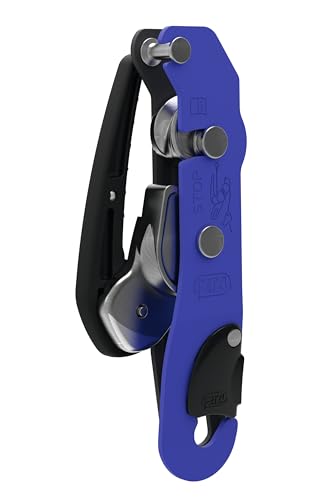
- Assisted braking for controlled descent
- Stainless steel friction zones for durability
- Fits 8.5 to 11 mm low stretch ropes
Best For: Cavers who need controlled lowering on muddy ropes
Heavy-Duty Rescue Figure 8

- 50KN breaking strength rating
- Bent ears help with lock-off
- Built for caving, rescue, and rappelling
Best For: Users who want a strong figure 8 descender with lock-off support
Lightweight Bobbin Caving Pick
Petzl Simple for Narrow Passages

- Weighs only 240g
- Bobbin-style manual speed control
- Replaceable aluminum pulleys
Best For: Cavers who want a compact, lightweight manual descender
Self-Locking Cave Control
Stop Descender for 10.5 to 11 mm Rope

- Self-braking and self-locking design
- CE certified with 330 lb limit
- Quick install without harness disconnect
Best For: Cavers and rescue users wanting stop-and-hold control
Variable-Friction Caving Pick

- Adjustable friction with swing-out brake bars
- Spreads heat to reduce rope glazing
- Replaceable bars help extend service life
Best For: Cavers and rescue users on 9 to 13 mm ropes
Auto-Locking Rope Grip

- Auto-locking rope grip for added protection
- Side panel makes rope loading easier
- Lightweight 100 g aluminum-magnesium alloy
Best For: Caving, rescue, and work-at-height users on 8 to 13 mm ropes
Self-Braking Rescue Control

- Self-braking design for controlled descent
- Anti-panic feature adds an extra safety layer
- Anti-error catch helps prevent installation mistakes
Best For: Technical rescue teams and advanced rope users
Ultra-Strong Figure 8

- 7075 aluminum with 30kN strength
- Bent-ear design adds control and lock-offs
- Fits 8–13mm static or dynamic ropes
Best For: Cavers and climbers wanting a compact, high-strength figure 8
Rescue-Ready Figure 8

- Forged aluminum-magnesium alloy build
- 40kN breaking load for demanding use
- Bent-ear design supports hanging and control
Best For: Rescue-oriented users who want a rugged, heavy-duty figure 8
Heavy-Duty TRIWONDER

- A7075 aluminum with 35kN strength
- Very light at 4.2 oz for easy carrying
- Smooth anodized surface helps protect rope
Best For: Cavers and rope-access users wanting a lightweight, strong all-rounder
Assisted-Braking Caving Control – Petzl Stop for Smooth Descent
If you want a caving descender device that prioritizes controlled lowering, the Petzl Stop is built around assisted braking and precise handle input. It is designed for low-stretch kernmantle ropes and uses stainless steel friction zones to better handle muddy or gritty conditions underground.
Best For: Cavers who want assisted braking and durable performance on dirty ropes.
Pros:
- Assisted braking engages when the handle is released for added control.
- Stainless steel cam and bobbin are made for higher durability.
- Compatible with 8.5 to 11 mm low stretch kernmantle ropes.
- Side plate gate helps install rope without disconnecting from the harness.
Cons:
- Only fits a specific rope diameter range.
- More specialized than a simple figure 8 device.
For caving applications where predictable braking matters, this descender stands out for its ergonomic handle and rugged friction surfaces. It is a strong pick if you want a purpose-built device for controlled descent in demanding rope conditions.
Heavy-Duty Rescue Figure 8 – Large Bent-Ear Belay Device
This caving descender device is a large figure 8 style option with bent ears, aimed at users who want strong braking and straightforward rope control. Its 50KN strength rating and auto-locking design make it suitable for rescue, rappelling, and technical rope work where control is the priority.
Best For: Cavers and rescue users who want a heavy-duty figure 8 with lock-off support.
Pros:
- 50KN breaking strength for heavy-duty use.
- Bent ears make lock-off easier with both hands free.
- Designed for smooth rope action while descending or belaying.
- Suitable for caving, rescue, rappelling, and other technical rope tasks.
Cons:
- Figure 8 style is less specialized than assisted-braking caving devices.
- Bulkier than lightweight bobbin-style options.
If you prefer a robust, simple descender with a clear lock-off feature, this is a practical choice. It leans more toward strength and versatility than refined caving-specific handling, but that can be an advantage for rescue-minded users.
Lightweight Bobbin Caving Pick – Petzl Simple for Narrow Passages
For a minimalist caving descender device, the Petzl Simple keeps weight low while still offering a traditional bobbin-style feel. It is built for 8.5 to 11 mm low stretch kernmantle ropes and includes a side plate gate for easy installation without removing the device from the harness.
Best For: Explorers who want a lightweight bobbin descender for tight cave travel.
Pros:
- Lightweight 240g design is easier to carry in narrow passages.
- Traditional bobbin-style control is simple and familiar.
- Openable side plate with safety gate simplifies rope installation.
- Aluminum pulleys can be rotated or replaced to extend service life.
Cons:
- Requires active rope-hand control rather than assisted braking.
- Limited to a defined rope diameter range.
This is a good match if your priority is keeping gear light and compact underground. It offers practical convenience and maintainability, but experienced users will need to manage descent speed manually.
Self-Locking Cave Control – Stop Descender for 10.5 to 11 mm Rope
If you need a caving descender device with self-braking behavior, this stop-style model is designed to help you descend and stop at an easier pace. It is CE certified, works with the listed rope range, and can be installed or removed without disconnecting from the harness.
Best For: Users who want a self-locking descender for caving, rescue, or aerial work.
Pros:
- Self-braking, self-locking design supports stop-and-hold control.
- CE certified with a stated maximum weight limit of 330 lbs.
- Quick installation and removal without disconnecting from the harness.
- Built for caving, rescue, rope descent, and similar tasks.
Cons:
- Optimized for a narrower rope diameter range than some other options.
- Not as established a design as the classic Petzl models listed here.
This model is aimed at users who want a practical stop-style descender with simple installation and strong task versatility. It is best considered when self-locking behavior and broad rescue-use compatibility matter more than ultralight weight.
Variable-Friction Caving Pick – PETZL Rack with Brake Bars
If you need a caving descender device that offers fine friction control, the PETZL Rack is built for adjusting on the fly. Its swing-out brake bars let you tune the descent for changing rope conditions, while the multi-bar design spreads heat to help reduce rope glazing on long or fast rappels.
Best For: Cavers and rescue users who want adjustable friction on 9 to 13 mm ropes.
Pros:
- Variable friction design lets you add or remove bars to match rope conditions.
- Brake bars help distribute heat and friction across multiple points.
- Side plate opens for easier rope installation without removing the device from the harness.
- Replaceable brake bars can extend service life.
Cons:
- Best suited to users comfortable with a rack-style descender.
- Rope compatibility is limited to 9 to 13 mm.
For caving and rescue work, this is a specialized descender focused on control, heat management, and durability rather than simplicity. If those priorities matter more than compactness, the Rack is a strong fit.
Auto-Locking Rope Grip – Azarxis 8-13mm Descender
This caving descender device is a compact option for users who want an auto-locking rope grip with broad rope compatibility. The Azarxis unit uses a side panel for easier rope loading and a lever that pins the rope automatically when the body is tilted, making it a practical pick for fall protection and controlled descent.
Best For: Caving, rescue, and work-at-height users who want a lightweight auto-locking device for 8 to 13 mm ropes.
Pros:
- Auto-locking design adds a layer of fall protection.
- Side panel opens for easier rope installation and removal.
- Lightweight aluminum-magnesium alloy body at 100 g.
- Fits a wide 8 to 13 mm rope range.
Cons:
- Maximum bearing capacity is listed at 100 kg.
- Less specialized for pure caving control than a dedicated rack-style descender.
For buyers wanting a simple, lightweight rope-grip device with self-locking behavior, this Azarxis model covers a lot of use cases. It is especially appealing if you need one tool for caving, rescue, and general height work.
Self-Braking Rescue Control – PETZL I'D L Descender
When a caving descender device needs to prioritize control and mistake prevention, the PETZL I’D L is aimed squarely at rescue use. Its self-braking action, anti-panic function, and anti-error catch are all designed to support safer rope handling in technical situations.
Best For: Technical rescue teams and advanced rope users who want a self-braking descender with built-in safety features.
Pros:
- Self-braking design supports controlled descent in rescue settings.
- Anti-panic function stops the descent if the handle is pulled too hard.
- Anti-error catch helps reduce installation mistakes.
- Pivoting cam helps take up slack and can support short ascents with accessories.
Cons:
- Primarily designed for technical rescue rather than general recreational use.
- Heavier and bulkier than simpler descender options.
This is a purpose-built rescue tool, not a general-purpose caving gadget. If your priority is controlled handling with safeguards against user error, the I’D L is one of the most capable options here.
Ultra-Strong Figure 8 – 30kN Aluminum Descender
If you want a caving descender device that prioritizes strength and control, this 30kN figure 8 is built for serious rope work. Its 7075 aluminum body, bent-ear design, and rope-friendly finish make it a practical pick for rappelling, rescue-style use, and other technical vertical activities.
Best For: Cavers, climbers, and rope users who want a compact, high-strength figure 8 with added friction control.
Pros:
- 30kN breaking strength with CNC-forged 7075 aviation-grade aluminum
- Bent-ear design supports lock-offs, hands-free hanging, and better friction control
- Optimized for 8–13mm static or dynamic ropes
- Lightweight at 135g, with a compact 5.2 × 3.43 × 0.47 in profile
Cons:
- Single-rope focused, so it is less flexible than some multi-purpose devices
- Figure 8 design may feel more specialized than newer belay styles
Overall, this is a strong, straightforward choice if your priority is a durable caving descender device with dependable friction and easy portability. It leans toward rugged simplicity rather than extra features, which many technical users will appreciate.
Rescue-Ready Figure 8 – 40kN Alloy Descender
This caving descender device is aimed at users who want a heavier-duty rescue-style figure 8 with strong braking performance. The aluminum-magnesium alloy build, bent-ear upgrade, and 40kN breaking load make it a solid option for controlled descents and high-altitude work.
Best For: Rescue-minded climbers, cavers, and rope workers who want a rugged figure 8 with strong braking and hanging capability.
Pros:
- 40kN breaking load with forged aluminum-magnesium alloy construction
- Bent-ear design helps with fixed-position hanging and better rope control
- Works with 8–13mm single or double rope setups
- Large, sturdy body is built for climbing, rescue, and high-altitude tasks
Cons:
- At 284g, it is heavier than some other figure 8 options
- Its size may feel less compact for minimalist gear kits
For buyers who want a robust caving descender device with a stronger, rescue-oriented profile, this model stands out. It favors durability and braking control over ultralight convenience.
Heavy-Duty TRIWONDER – 35kN Rappelling Descender
If you need a caving descender device that balances strength, low weight, and rope friendliness, this TRIWONDER figure 8 is a practical all-rounder. Its A7075 aluminum body, 35kN rating, and smooth anodized finish are designed for demanding descents and repeated outdoor use.
Best For: Cavers and rope-access users who want a lightweight but high-strength descender for frequent outdoor use.
Pros:
- A7075 aviation-grade aluminum with a 35kN load rating
- Lightweight at 4.2 oz while still built for demanding tasks
- Smooth anodized surface is rope-friendly and helps reduce wear
- 0.55 in thick body adds durability and stability
Cons:
- More of a general-purpose figure 8 than a highly specialized rescue device
- Like other figure 8 designs, it offers fewer features than some modern belay tools
This is a sensible choice if you want a caving descender device that stays light without giving up serious strength. It should suit users who value simplicity, smooth rope handling, and versatile outdoor performance.
How We Picked the Best Caving Descender Device
We prioritized devices designed for controlled descent, dependable friction management, and broad rope compatibility. We also looked at construction quality, ease of use with gloves, packability, and whether a device suits caving conditions rather than only general climbing.
Quick Comparison
As you compare a Caving Descender Device, think in terms of braking style first: assisted-braking models add extra security, rack-style devices offer adjustable friction for longer drops, and figure 8 designs are simple and durable but typically require more active control. The best choice depends on your experience level, rope diameter, and how much modulation you want on the rope.
Key Buying Factors for a Caving Descender Device
Braking and Control
Look for a device that lets you start, stop, and fine-tune your speed without fighting the rope. In wet or muddy cave environments, predictable friction matters more than raw simplicity.
Rope Compatibility
Check the manufacturer’s rope range carefully. A Caving Descender Device that works well on 10.5 mm rope may feel very different on thinner or thicker lines, especially when wet.
Material and Durability
Aluminum alloy builds are common because they offer a strong balance of weight and strength. For cave use, durability and resistance to wear are more important than ultra-lightweight design alone.
Ease of Use
If you wear gloves or descend long pitches, choose a device that is easy to load, easy to inspect, and simple to manage under stress. Assisted-braking and rack-style options often feel friendlier for extended use.
Who Should Buy Which Caving Descender Device?
Beginners and cautious buyers often benefit from assisted-braking or self-braking models because they add an extra margin of control. Experienced cavers who want more friction adjustment may prefer a rack-style descender. If you need a simple, rugged tool for straightforward rappels, a figure 8 can be a practical option, though it demands more attention from the user.
For rescue use, heavier-duty designs with strong load ratings and better heat management are worth prioritizing. For recreational caving, comfort, compatibility, and confidence on descent usually matter more than any single spec.