Choosing the right backcountry ski boots for touring can make a huge difference in comfort, control, and how efficiently you move uphill. The best options balance walkability, warmth, fit, and downhill power without feeling overly specialized.
Below, we’ve organized 10 strong picks for different touring styles, from lightweight Nordic backcountry boots to powerful alpine touring models for bigger descents.
Best 10 Backcountry Ski Boots for Touring Picks for 2026
Backcountry Power with a Comfy Fit

- Lightweight Grilamid Bio Shell and Pebax cuff
- 61° range of motion for touring
- Thermoformable liner for custom comfort
Best For: Tourers who want a powerful boot with a customizable fit
Balanced Touring Boot for Everyday Use

- 100 flex with a 102 mm last
- Intuition Pro Tour Tongue liner
- GripWalk outsoles for easier walking
Best For: Skiers who want a comfortable middle-ground touring boot
Simple Comfort for Cold Tours

- Focus on control and stability
- Enhanced warmth for cold conditions
- Customizable fit for comfort
Best For: Tourers who want warmth, control, and an easygoing fit
Backcountry Nordic Comfort
WHITEWOODS 306 NNN BC Insulated Boots

- 100g Thinsulate with quick-dry liner
- Composite mid sole and steel shank support
- Works only with NNN-BC bindings
Best For: NNN-BC touring skiers wanting warm, comfortable backcountry boots
Hybrid Touring Performance
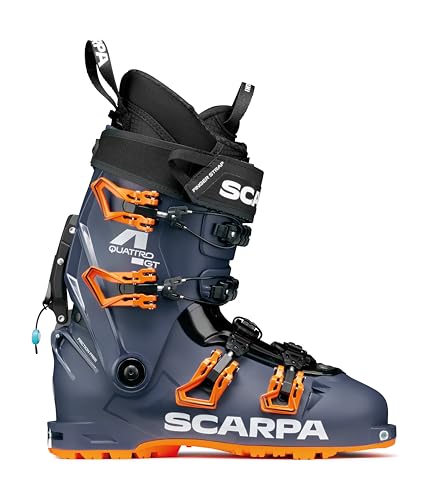
- 110 flex hybrid boot with warm Intuition liner
- 61-degree range of motion for touring
- Compatible with AT, tech TLT, and GripWalk bindings
Best For: Hybrid skiers who want touring mobility and resort compatibility
Women’s All-Mountain Touring
Nordica Unlimited 95 W DYN Boots

- Wire closure system for a precise fit
- 65-degree range of motion for touring
- Adjustable forward lean and lightweight liner
Best For: Women wanting a lightweight touring boot with adjustable control
Complete Backcountry Touring Setup
Whitewoods Whitetail NNNBC Package

- Includes 306-NNN boots with 100g Thinsulate and quick-dry liner.
- NNNBC sole works with pre-mounted Rottefella NNNBC bindings.
- Built for touring or backcountry use in powder or icy conditions.
Best For: Intermediate skiers wanting a complete NNNBC touring package.
Warm Performance Pick
Fischer BCX Tour Insulated Boots

- Insulated synthetic leather build for warmth and weather protection.
- Medium flex is tuned for comfortable all-day touring.
- Rottefella BC toe bar fits BC-style backcountry setups.
Best For: Advanced and expert skiers covering long backcountry miles.
Comfort-Fit Budget Option

- MOZ / ATOP lacing gives uniform lace pressure and easy tightening.
- 200g Thinsulate lining and quick-dry liner add warmth.
- NNNBC touring sole works with Rottefella BC bindings.
Best For: Unisex skiers who want an easy-adjust warm touring boot.
Backcountry Power with a Comfy Fit – SCARPA Maestrale RS 130 Flex
If you’re shopping for backcountry ski boots for touring, the SCARPA Maestrale RS is built for skiers who want a strong climb but still demand dependable downhill power. Its redesigned shell aims for a comfier feel without giving up the performance this boot is known for.
Best For: Tourers who want a lightweight, powerful boot with a customizable fit and confident downhill performance.
Pros:
- Grilamid Bio Shell and Pebax R-New cuff with carbon cores help keep the boot light and responsive.
- Speed Lock MLT ski/walk mode is designed for easy use, even with gloves, and helps limit snow and ice buildup.
- Thermoformable Pro Flex Performance liner adds warmth and a more precise fit.
- 61° range of motion supports efficient touring movement.
Cons:
- Stiff 125 flex may be more boot than casual tourers need.
- 102 mm last is supportive, but not the widest option in this group.
Overall, this is a strong pick for skiers who want a serious touring boot that still feels at home on the descent. It balances uphill efficiency, fit customization, and hard-charging performance well.
Balanced Touring Boot for Everyday Use – K2 Diverge Mens Ski Boots
The K2 Diverge is a practical option if you want backcountry ski boots for touring that can handle uphill travel without feeling overly specialized. With a 100 flex and 102 mm last, it leans toward a balanced fit and a manageable feel for all-day use.
Best For: Skiers looking for a comfortable, middle-ground touring boot with walkable performance and downhill support.
Pros:
- Intuition Pro Tour Tongue liner is designed for a snug fit with a tour flex notch and lacing system.
- Removable external J-Bars can help fine-tune comfort and hold.
- GripWalk outsoles are made for better grip and comfort when walking, standing, and hiking.
- 102 mm last and 100 flex offer a versatile, approachable feel.
Cons:
- Weight is listed at 1880 g, so it may not be the lightest touring choice.
- Not as aggressive as stiffer, freeride-oriented boots.
This is a sensible pick for skiers who want one boot that can do a bit of everything. It favors comfort and practicality while still giving you enough support for descending.
Freeride-Ready Touring Performance – Dalbello Lupo AX 120
The Dalbello Lupo AX 120 is aimed at skiers who want backcountry ski boots for touring with a more aggressive downhill feel. Its 120 flex and freeride-friendly design make it a strong choice for hard-charging skiers who still need touring capability.
Best For: Aggressive backcountry skiers who want a stiff, downhill-focused touring boot.
Pros:
- 120 flex supports powerful skiing on the descent.
- Three-piece Cabrio construction is designed to deliver a progressive forward flex.
- Removable tongue allows for 67-degree rotation while skinning.
- 100 mm last offers a more accommodating fit than narrower race-style boots.
Cons:
- Stiffer flex may be demanding for lighter or less aggressive skiers.
- Not the lightest-feeling option if uphill efficiency is your main priority.
If your touring days usually end with a push for bigger turns, this boot fits that mission well. It blends a roomy-enough fit with a strong downhill personality and solid walking range.
Simple Comfort for Cold Tours – Rossignol BC X5 Ski Boots
The Rossignol BC X5 is a straightforward choice for backcountry ski boots for touring when comfort and control matter more than technical extras. The product notes emphasize stability, freedom of movement, warmth, and a customizable fit for ski adventures in cold conditions.
Best For: Tourers who want a comfortable, easygoing boot focused on warmth, control, and freedom of movement.
Pros:
- Designed to provide control and stability while skiing.
- Highlights freedom of movement for touring.
- Enhanced warmth is a plus for cold-weather outings.
- Customizable fit should help improve comfort.
Cons:
- Details are limited compared with the other boots in this roundup.
- No flex, weight, or range-of-motion specs are provided in the notes.
This model looks like the simplest comfort-first option in the group. If you want a touring boot centered on warmth and an adjustable feel rather than hard performance numbers, it deserves a look.
Backcountry Nordic Comfort – WHITEWOODS 306 NNN BC Insulated Boots
If you want backcountry ski boots for touring on NNN-BC gear, the WHITEWOODS 306 is built around warmth, comfort, and simple compatibility. The breathable weatherproof upper, 100 grams of Thinsulate, and quick-dry liner make it a practical pick for cold days, while the composite mid sole and steel shank add support and control.
Best For: Touring skiers using NNN-BC bindings who want insulated comfort and easy all-day wear.
Pros:
- 100 grams of Thinsulate and a quick-dry liner for added warmth
- Composite mid sole and steel shank for support and ski control
- Metal lace guides help fine-tune fit and lace pressure
- Gusseted tongue, pull-on loop, and padded ankle improve comfort
Cons:
- Only works with NNN-BC bindings
- Less suited to skiers who need alpine or tech binding compatibility
As a touring-focused nordic boot, this model emphasizes comfort and cold-weather practicality over high-end rigidity. It makes the most sense for backcountry travel where insulation and a secure, flexible fit matter more than downhill aggression.
Hybrid Touring Performance – SCARPA 4-Quattro GT Ski Boots
For backcountry ski boots for touring that also need resort-ready versatility, the SCARPA 4-Quattro GT is a hybrid option with a 110 flex and GripWalk compatibility. It is described as SCARPA’s warmest, roomiest hybrid ski boot, and it pairs a ski/walk mode with a generous 61-degree range of motion for efficient movement uphill.
Best For: Skiers who split time between alpine touring, downhill skiing, and bindings that support GripWalk or tech systems.
Pros:
- 110 flex offers comfortable, versatile performance for long days
- 61-degree range of motion supports efficient walking and touring
- Compatible with AT, tech TLT, and alpine GripWalk bindings
- Intuition 4Pro Flex GT liner and PU shell are built for warmth
Cons:
- Heavier than a pure touring-focused boot at 3 lb 10 oz per boot
- May be more boot than needed if you only ski classic backcountry routes
This boot stands out when you need one pair that can handle both the climb and the descent without feeling overly specialized. Its blend of warmth, walk mode, and binding compatibility makes it a strong hybrid choice.
Women’s All-Mountain Touring – Nordica Unlimited 95 W DYN Boots
The Nordica Unlimited 95 W DYN is aimed at women looking for backcountry ski boots for touring with a lightweight all-mountain touring design. Its wire closure system, 65-degree range of motion, and adjustable forward lean are all geared toward comfort, fit, and efficient ski-walk movement.
Best For: Women who want a lightweight touring boot with a precise fit and adjustable support.
Pros:
- Wire closure system creates a precise, cradling fit
- 65-degree range of motion supports efficient touring
- 3D Corkfit PrimaLoft Light liner adds all-day comfort
- Forward lean adjustment helps tailor control and stance
Cons:
- Designed for women, so fit is not unisex
- Not the warmest or most insulated option in this roundup
This is a strong choice if you want a touring boot that stays efficient on the climb but still offers adjustable, controlled performance on the descent. It balances comfort and precision without adding unnecessary bulk.
Complete Backcountry Touring Setup – Whitewoods Whitetail NNNBC Package
If you want backcountry ski boots for touring as part of a ready-to-go package, this Whitewoods setup keeps things simple. It pairs NNNBC boots with matching skis, bindings, and poles, and the boot spec focuses on warmth, weather protection, and easy touring comfort.
Best For: Intermediate skiers who want a bundled backcountry touring system with warm NNNBC boots.
Pros:
- Includes Whitewoods 306-NNN boots with 100 grams of Thinsulate lining and a quick-dry liner.
- Breathable weatherproof upper plus a removable insole for added comfort and practicality.
- NNNBC sole is paired with pre-mounted Rottefella NNNBC bindings for compatibility.
- Package is designed for touring or backcountry use in powder or icy conditions.
Cons:
- This is a full ski package, so it is not just a standalone boot buy.
- Fit depends on using the sizing guides referenced in the product images.
- Best suited to skiers who specifically want the NNNBC system.
The main appeal here is convenience: you get a complete touring setup with boots designed to stay warm and dry while handling backcountry conditions. If you want an all-in-one route into the category, this package is straightforward and practical.
Warm Performance Pick – Fischer BCX Tour Insulated Boots
Fischer Insulated Medium Flex Synthetic Leather BCX Tour Nordic Cross Country Ski Boots, Black, 45
Check Price On AmazonFor backcountry ski boots for touring, the Fischer BCX Tour is aimed at skiers who want warmth, stability, and a medium-flex feel. The insulated synthetic leather build and Rottefella BC toe bar make it a solid choice for long days spent moving through deeper terrain.
Best For: Advanced and expert backcountry skiers who want insulated boots for covering more miles comfortably.
Pros:
- Insulated construction helps provide warmth for all-day touring.
- Medium flex is positioned as a comfort-focused balance for long outings.
- Rottefella BC toe bar supports compatibility with BC-style touring setups.
- Synthetic leather upper is described as protective against weather and elements.
Cons:
- Notes say these are best suited to advanced and expert skiers.
- Not a universal boot; it is built around the BC system.
- Less of a beginner-oriented choice than some simpler touring boots.
This is the kind of boot that makes sense if your priority is comfort over big-mile days in the woods. It leans into warmth and support without sounding overly stiff, which is a useful middle ground for serious touring.
Comfort-Fit Budget Option – Whitewoods 806 NNNBC Boots
Whitewoods 806 Adult NNNBC Cross Country Backcountry Ski Boots - ATOP Lacing System (EUR 36)
Check Price On AmazonIf you are shopping backcountry ski boots for touring and want a comfort-first fit feature, the Whitewoods 806 stands out for its MOZ / ATOP lacing system. It is built around the NNNBC touring sole, with warm lining and weather-resistant materials aimed at practical backcountry use.
Best For: Unisex skiers who want an easy-adjust touring boot with strong lace control and warmth.
Pros:
- MOZ / ATOP lacing system provides click-by-click tightening and even lace pressure.
- 200-gram Thinsulate lining plus quick-dry liner adds warmth.
- NNNBC touring sole with traction tread accommodates Rottefella BC bindings.
- Breathable weather-resistant upper, padded snow cuff, and bellows tongue improve comfort.
Cons:
- Fit requires checking the boot sizing chart in the images.
- Not as specialized for advanced high-mileage touring as some performance-focused boots.
- Only works with the NNNBC / Rottefella BC binding family.
The 806 is a practical pick if you value easy lacing and warmth more than a highly specialized racing-style feel. Its comfort features make it a sensible choice for recreational backcountry touring.
How We Picked the Best Backcountry Ski Boots for Touring
We focused on boots that serve real touring needs: efficient stride range, secure heel hold, compatible binding systems, appropriate stiffness, and enough warmth for long days outside. Since Backcountry Ski Boots for Touring vary widely by discipline, we also looked at whether each boot is best for alpine touring, hybrid freeride touring, or Nordic backcountry travel.
Quick Comparison
The fastest way to narrow the list is by terrain and binding type. Alpine touring boots are the best choice if you want the strongest downhill performance and a tech-binding setup. Nordic backcountry boots are lighter and better for rolling terrain, flatter routes, and long distance efficiency. Hybrid models try to split the difference, offering more comfort and walkability while still supporting aggressive descents.
Key Buying Factors for Backcountry Ski Boots for Touring
Fit and Last
A snug heel and secure midfoot matter more than extra toe room. Touring boots should feel locked in when edging or descending, but not so tight that they cause pressure over long climbs.
Flex and Support
Stiffer boots usually provide better control on steeper terrain and wider skis. Softer boots can be more forgiving, lighter, and easier to walk in, especially for mixed or Nordic-style tours.
Walk Mode and Range of Motion
For uphill efficiency, a smooth walk mode and strong cuff articulation are major advantages. If you tour frequently, this can matter as much as downhill stiffness.
Weight, Warmth, and Compatibility
Lighter boots help reduce fatigue, but not at the expense of insulation if you ski in cold conditions. Make sure the boot matches your bindings, whether that is tech, GripWalk, or NNN BC/NNNBC for Nordic touring.
Who Should Buy Which Backcountry Ski Boots for Touring?
Choose stiffer alpine touring boots if your priority is hard charging, variable snow, and downhill confidence. Go with medium-flex hybrid boots if you want one boot that can handle both ascent efficiency and reliable control. Pick insulated Nordic backcountry boots if you mostly travel on lower-angle terrain, value comfort and warmth, and want a more efficient stride for longer distances.
If you are building a setup for mixed conditions, let the terrain decide first, then match flex, weight, and binding compatibility second. That approach will get you the best results from your Backcountry Ski Boots for Touring.